How to Direct an Interview So the Script Doesn't Show
How to prepare and direct an on-camera interview so it sounds natural even with a script: questions, pacing, retakes and how to record it in a studio.
A scripted interview shows in ten seconds. The eyes dropping to a piece of paper, the flat tone, sentences that are too polished. The viewer can't explain what's wrong, but they stop believing what they hear.
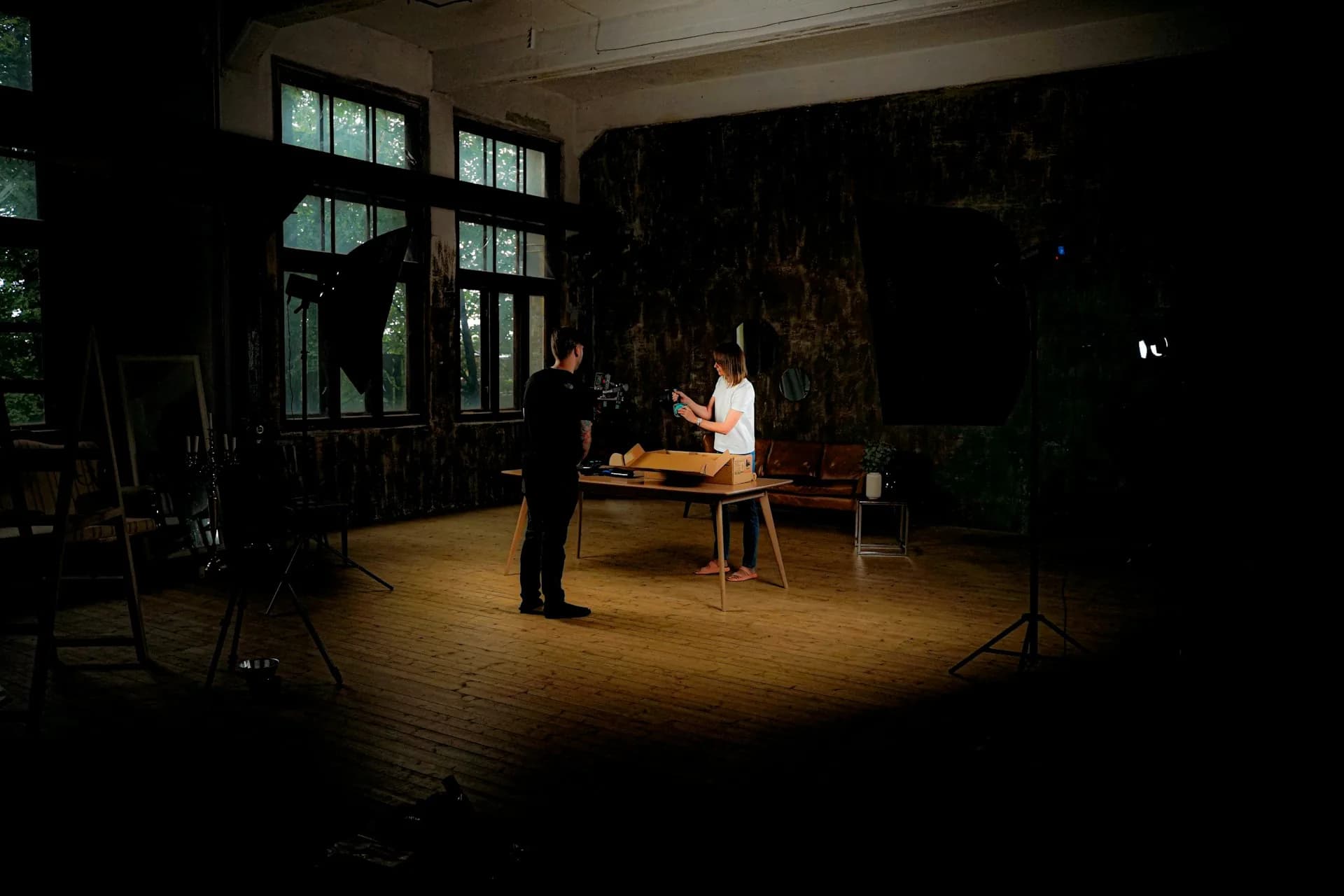
I direct sessions at A0Studios, our penthouse at Ronda de Atocha 16, in central Madrid. I come from the world of ads, so I direct every interview thinking about what the viewer should feel and what they should do next. These are the rules I use.
Why a scripted interview sounds fake
When someone memorizes an answer, they recite it. They speak at a different pace, they don't hesitate, they don't search for a word. In a real conversation there are pauses, detours and half-finished sentences. Removing them entirely is what gives the script away.
The opposite fails too. An unprepared interview tends to ramble, repeat itself and fill up with filler words. In brand content, where every minute costs money and attention, you can't afford either one.
The balance is to have structure without having text. You know which topic each question covers and which key idea has to come out, but the exact wording comes from the person in the moment.
How to direct an interview well
Prepare topics, not answers
Before the session I send the interviewee a list of 6 to 8 topics with the idea I want to come out of each one. Never the text. I ask them to think of one real example per topic: a client, a figure, an anecdote. With examples, the answer comes out detailed and doesn't sound like a brochure.
Ask open questions and repeat without warning
I start with easy questions so they loosen up, like what they do or how they got started. Then I move on to the important ones. If the first answer sounds rehearsed, I repeat the question in different words and ask them to tell it the way they'd tell a friend. The second take is almost always better.
Direct with your eyes and don't cut too much
The interviewee should look at me, not at the camera, unless the piece calls for talking to camera. I sit next to the lens, at their eye level. I let them finish their sentences and hold a couple of seconds of silence at the end: that's often where the best material shows up. Cutting every time they slip kills the rhythm. A filler word gets fixed in editing.
Common mistakes
- Giving the interviewee written answers and asking them to read them off a teleprompter. It works for a short message, not for a conversation.
- Starting to record with the hard questions, before the person has warmed up.
- Asking closed questions that get answered with yes or no and give no editing material.
- Not leaving silence after the answer. Often the best line comes afterwards.
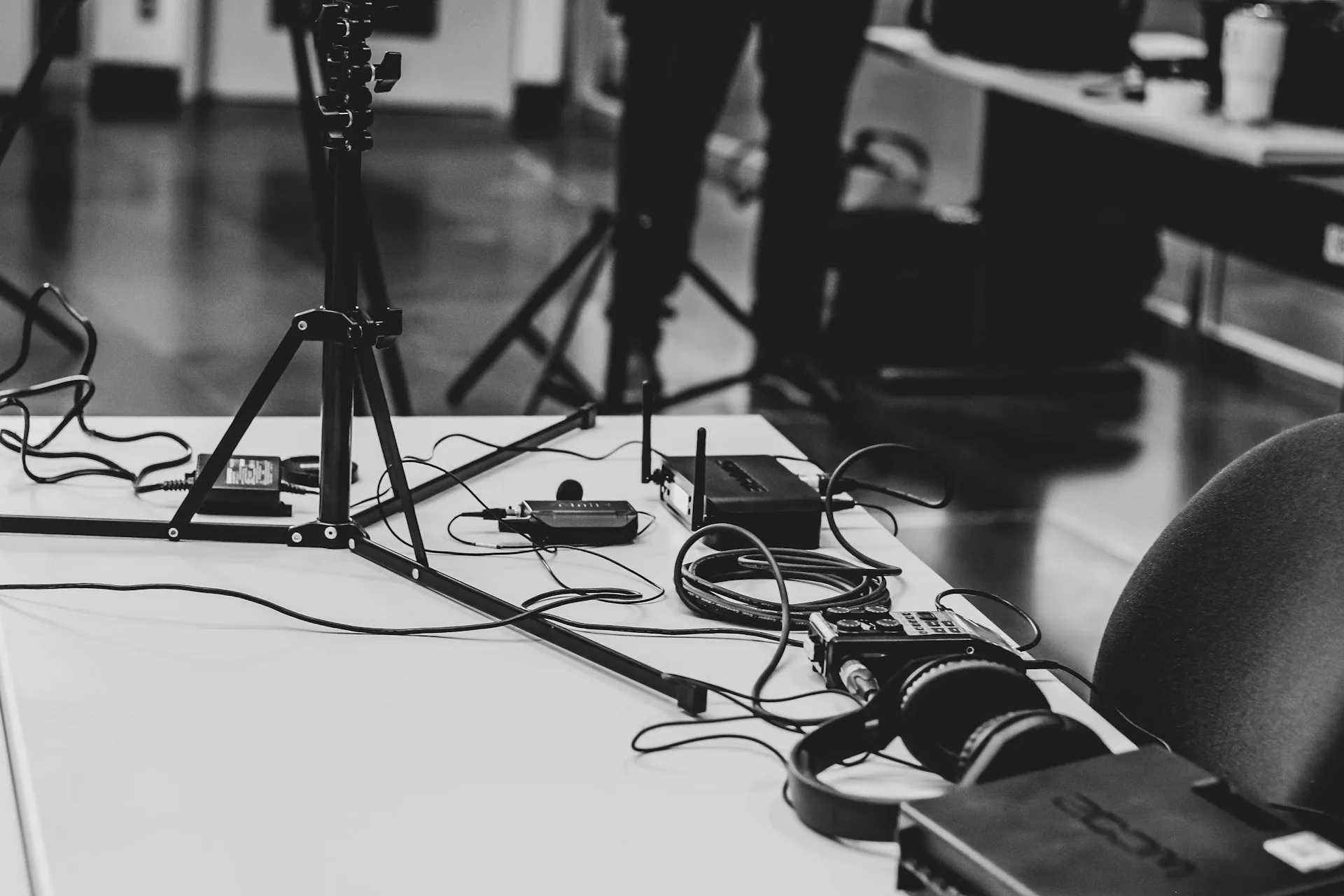
- Recording with a single shot and without clean audio: if the sound fails, the whole interview is unusable.
- Interviewing in dim light and with echo, without caring for the room. The space changes how the interviewee feels.
How we record it at A0Studios
In a 2 to 3 hour session at A0Studios we record interviews with a Sony A7 camera in two framings, two lavalier microphones and controlled lighting. From a 40-minute conversation we get between 8 and 12 clips for social, the main video and cuts for ads. It's edited in DaVinci Resolve.
The difference isn't only the space. I direct the session with a sales mindset: which question opens, which proof stays on screen and which line works as a hook in a Meta or TikTok ad. That's what separates a pretty interview from one that helps sell, both organically and in paid.
Frequently asked questions
Should the questions be sent to the interviewee in advance?
Yes, but as topics, not as written questions. That way they arrive prepared and with examples, without memorizing answers. I ask the exact questions in the session, adapted to what they're telling me.
How long does a video interview last?
We record between 30 and 45 minutes for a final piece of 3 to 5 minutes, plus short clips. With more time the person gets tired and quality drops. With less, there's no room for retakes.
What if the interviewee freezes in front of the camera?
I start with an unrecorded chat of about 10 minutes with easy questions. If needed, I repeat the question from a different angle. Most people loosen up quickly when they feel it's a conversation and not an exam.
Can I use a teleprompter in an interview?
For a short message to camera, yes. For an interview, no: it breaks eye contact and rhythm. The most natural approach is a conversation guided by topics, with the interviewee looking at whoever is asking.
If you want to record an interview in Madrid with someone who knows how to direct it and get pieces that sell, write to us in /#contacto, tell us the topic and who will be giving it, and we'll propose a structure and format before you book.
If you want to record premium content in Madrid, let's talk
From a quick Reels session to a full production day with editing and delivery, we can scope it to fit.