VSL for LinkedIn: structure, length and how to record it well
What a VSL is, how to structure it to convert on LinkedIn, how long it should be and how to record it in a studio so the result works for you.
A VSL (video sales letter) is the most direct format on LinkedIn for turning someone who sees you for the first time into someone who wants to know more. It is not an ad or a generic brand video. It is a structured piece whose only goal is to take the viewer from not knowing who you are to wanting to contact you. When it is well recorded, it does that job quietly, 24 hours a day.
The problem is that most VSLs circulating on LinkedIn fail for the same reason: too much introduction, too much friction before the key point and a CTA that arrives so late that half the viewers have already dropped off. Here I explain how to structure it, how long it should be and how to record it in a studio so the result works for you.
What a VSL is and why it works on LinkedIn
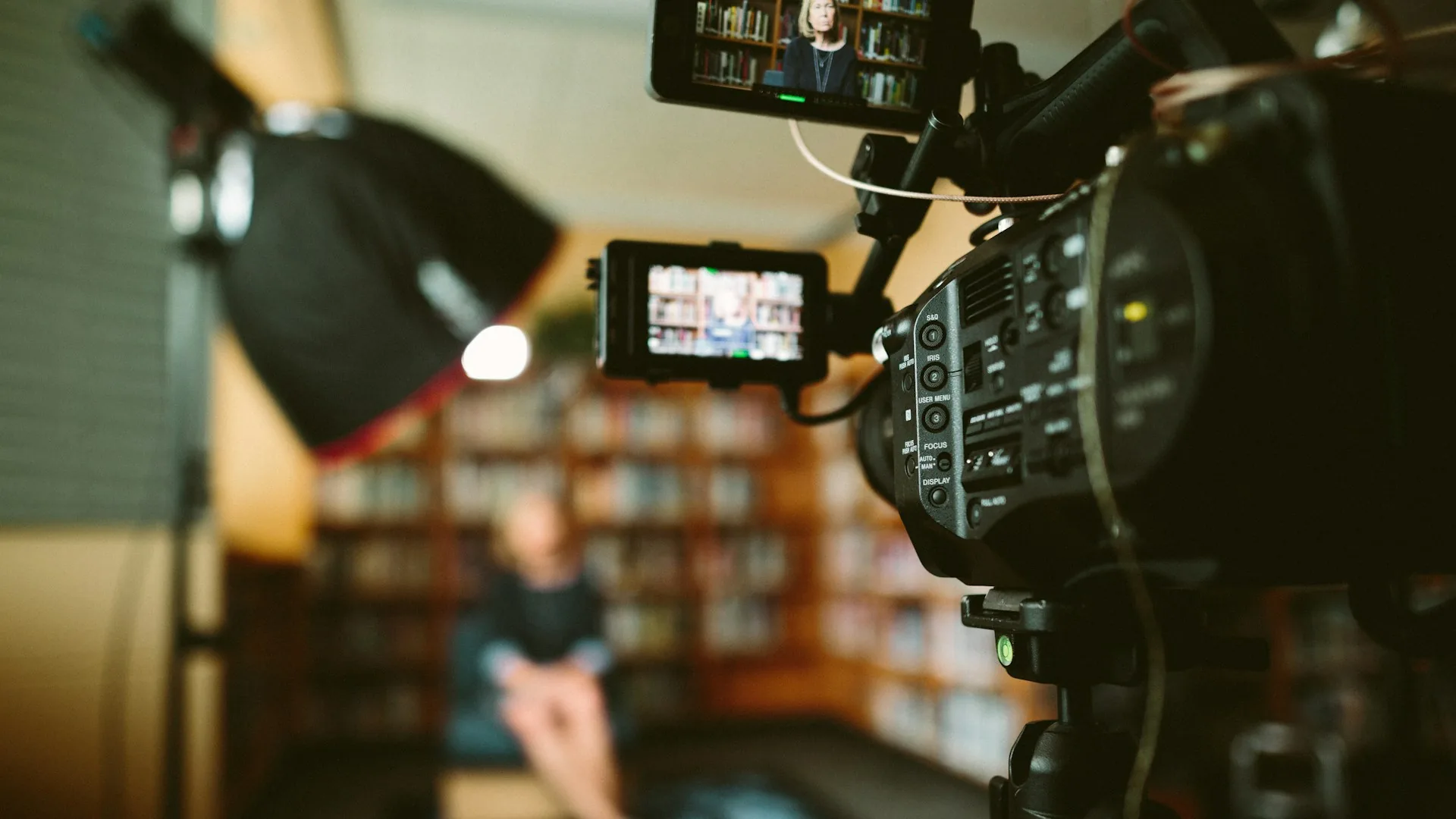
A VSL is a structured video monologue that follows the logic of a sales letter: hook, problem, agitation, solution and call to action. Unlike a product ad or a value-content clip, the VSL is designed for people who are already in a decision process. It does not aim to entertain or inform in general: it aims to get a specific person to take a concrete action when they finish watching.
It works especially well on LinkedIn because purchase intent already exists on that platform. Whoever follows you or lands on your profile is in a work context, not in leisure mode. A well-positioned VSL (as featured content on your profile, inside a lead campaign or as the first message in outreach) captures that intent before the person moves on to something else. The key is that it has to start working from the first second.
How to structure a VSL that converts
The hook: the first 5 seconds
The first 5 seconds decide whether the video gets watched or skipped. The hook has to break the scroll pattern with a concrete statement, a question that cannot be ignored or a fact that creates immediate curiosity. No introductions: starting with 'Hi, I am X and today I am going to tell you' is an invitation to scroll past. The hook starts with the viewer's problem, not with who you are.
The body: problem, agitation and solution
Once you have attention, the body has to do two things: show that you understand the problem well and offer a credible angle on the solution. The most common mistake is getting to the solution too fast without spending time describing the problem precisely. If viewers do not recognize themselves in the problem you describe, the solution does not interest them. Spend a third of the time on the problem, another third agitating it (what it costs not to solve it, what happens if nothing is done) and the final third on the solution.
The CTA: short, clear and frictionless
The CTA of a VSL has to be a single action, once, with no ambiguity. Do not offer three options or explain in detail what will happen next. 'Message me and we will take a look' converts better than 'fill in the form, you will get an email and in 48 hours someone from the team will contact you'. Friction in the CTA destroys the momentum you built in the body. The shorter and more direct, the better it works.
Common mistakes in a LinkedIn VSL
- Starting with an introduction instead of a hook: the first seconds have to be about the viewer, not about you.
- A VSL that is too long: between 90 seconds and 3 minutes is the best range for LinkedIn. Beyond that, retention drops and does not recover.
- Low-quality audio: if the video sounds bad, credibility drops before the message arrives.
- A background that contradicts the message: if you sell premium results, the visual context has to back it up from the first frame.
- A vague CTA or one with too many options: a single action, in the last 15-20 seconds, with no alternatives that paralyze.
- Not adding subtitles: more than 70% of video on LinkedIn is watched on mute. Without subtitles, the message does not land.
Frequently asked questions
How long should a VSL for LinkedIn be?
Between 90 seconds and 3 minutes. Under 90 seconds, it is hard to develop the problem and the solution with enough credibility. Over 3 minutes, retention on LinkedIn drops sharply unless the piece is very specific to an already warm audience.
Do I need a locked script to record a VSL?
Yes, in this case you do. Unlike a Reel or a value-content clip where naturalness can make up for the lack of a script, the VSL has an internal logic that must be respected. An outline with the key phrases written down, especially the hook and the CTA, keeps you from improvising exactly where word order matters most.
What equipment do I need to record a VSL in a studio?
A camera that records in 1080p or 4K, external audio (a condenser or lavalier mic) and lighting that does not create harsh shadows. At A0Studios we have all the equipment available, including a teleprompter if you prefer to read the script rather than memorize it.
Can I use the same VSL for ads and for my LinkedIn profile?
You can start from the same material, but there are important context differences. For a profile, the viewer already has a minimum of intent toward you. For ads, they arrive cold and the hook has to be even faster. Recording two versions in the same session (same structure, adapted hook) is the most efficient way to cover both uses.
If you want to record your LinkedIn VSL with a setup that backs up the message from the first frame, we can organize it at A0Studios. Write to us at /#contacto and tell us the goal of the piece: we reply the same day.
If you want to record premium content in Madrid, let's talk
From a quick Reels session to a full production day with editing and delivery, we can scope it to fit.