Horizontal vs vertical video: when to use each format
Horizontal or vertical is not an aesthetic decision. It depends on where the video will be watched and what it has to convey. How to choose well before recording.
Almost every week someone asks me whether they should record horizontal or vertical. The question is framed wrong from the start, because there is no single answer. It depends on where the video will be watched, not on which format you prefer or which one seems more "professional" to you.
Choosing the wrong format before recording is one of the mistakes that wastes the most footage. It is not a last-minute technical detail, it is a decision that shapes the framing, the composition and even how you move in front of the camera. And it is made before recording, not in editing.
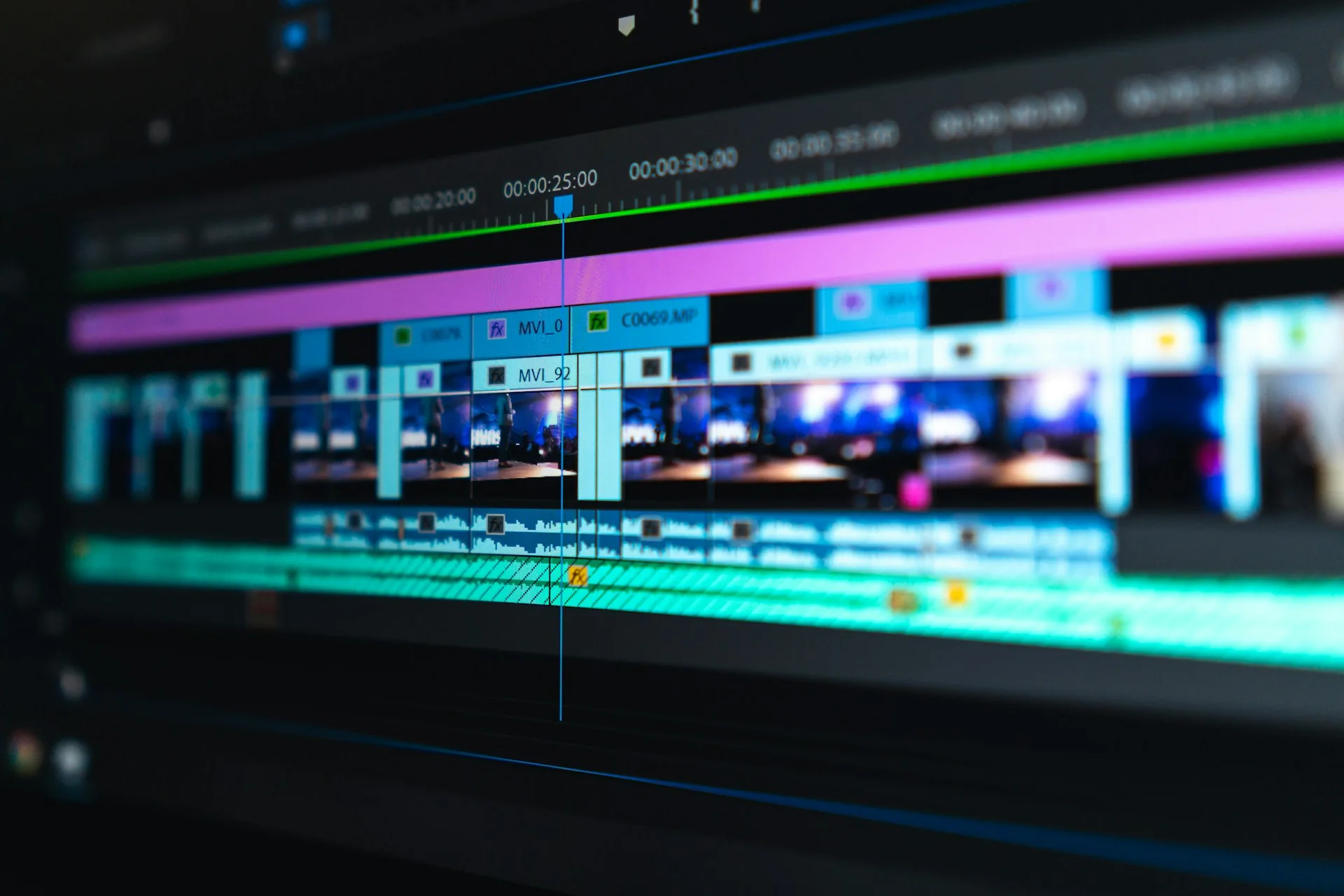
Why format is not a technical detail
The format defines the framing from the first second of recording. In vertical, the shot is tighter: face, shoulders, little margin at the sides. In horizontal, there is room to show context, another person in frame or the whole studio setting. If you decide the format after recording, it is too late to fix that.
It also changes the pace of the message. Vertical is consumed on the phone, with the thumb one swipe away and divided attention. There the message has to land fast. Horizontal is watched on a bigger screen, with more intent to stay, so it allows more context and a somewhat slower pace.
And there is a third reason, less obvious: each platform treats content native to its format better. A horizontal video forcibly cropped for Reels shows, and a vertical one stretched for YouTube does too. The algorithm does not penalize on a whim, it penalizes because the result looks worse and people leave sooner.
How to choose the right format
Vertical: for mobile, feed and stories
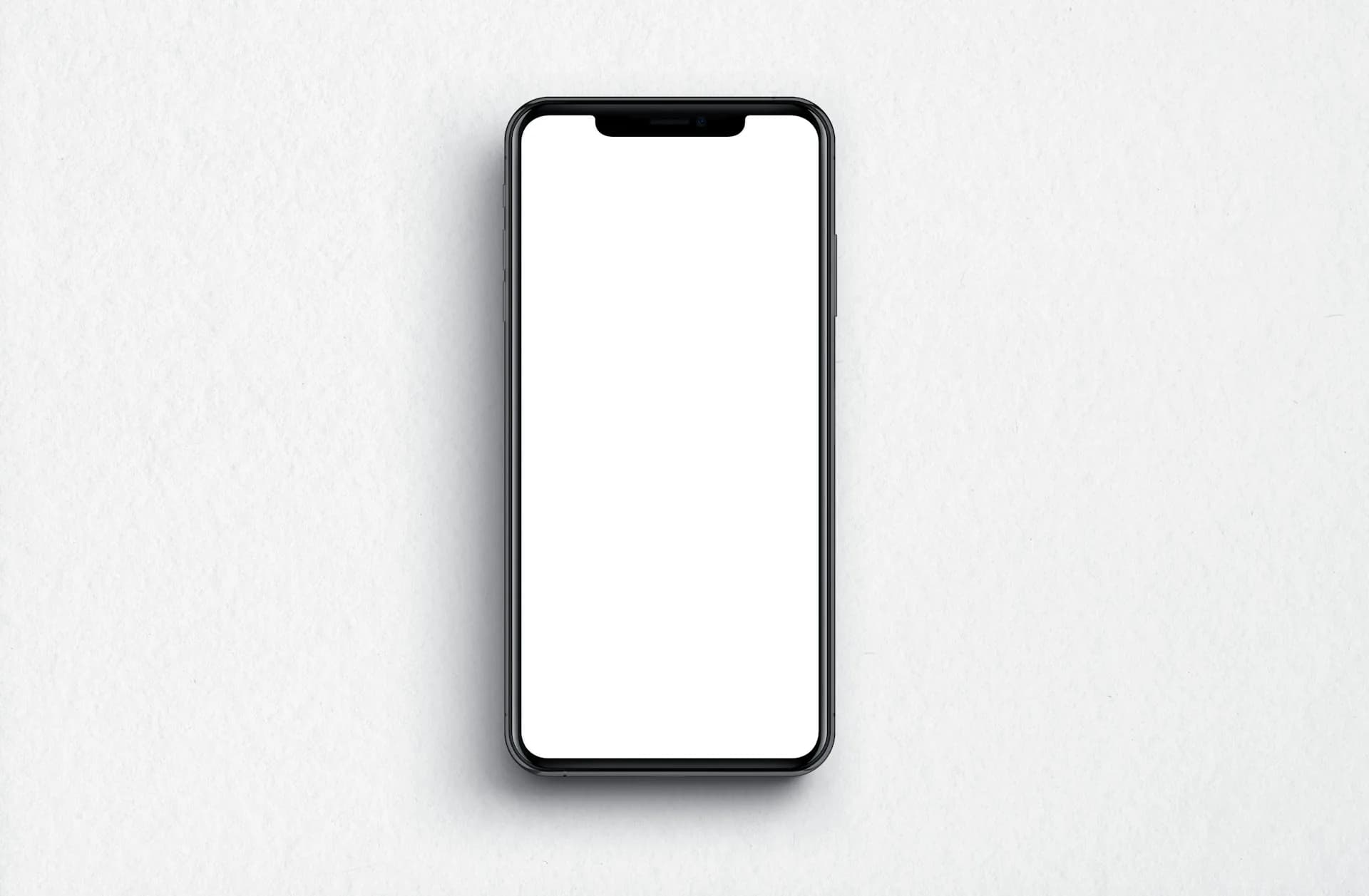
Vertical (9:16) is the format for Reels, TikTok, Stories and Shorts. Tight shot, focus on the person, direct message from the first second. Leave margin at the top and bottom of the frame: that is where subtitles and each platform's interface elements go, and if the shot is too tight they cover the face or the text.
Horizontal: for big screens and context
Horizontal (16:9) is still the format for long-form YouTube, the web, corporate video and interviews where the setting matters. Here you can show two people in frame, the studio space or supporting material without it feeling cramped. It is the format that best communicates context and careful production.
How to record with both formats in mind
In the studio we almost always record horizontal with plenty of margin around the subject, already thinking of the vertical crop later. That means framing wider than seems necessary and making sure nothing important sits against the edges. With that margin, in editing you can produce a clean vertical cut without losing the composition.
Common mistakes when choosing a format
- Always recording horizontal "because it is the norm" and losing much of the shot when cropping to vertical later.
- Framing too tight in vertical, with no margin for subtitles or the platform's interface elements.
- Uploading the same cut, without adapting the framing, to platforms that use different formats.
- Deciding the format in editing instead of before recording, when the original framing can no longer be corrected.
- Using vertical for content that needs to show wide context, such as a wide shot of an event or an interview with several people.
- Not telling the team or guest which format will be used, so nobody positions or moves with the final framing in mind.
Frequently asked questions
Can I record once and get horizontal and vertical from the same footage?
Yes, if you shoot with enough margin around the subject with both crops in mind. It is what we do in most studio sessions.
Which format works best for Reels or TikTok?
Vertical, 9:16. It is the native format of those platforms and the one that makes best use of the full phone screen.
And for a corporate or website video?
Horizontal, 16:9. It gives room to show context, several people in frame and a more polished composition.
Can you shoot multicam to get both formats with better quality?
Yes. With two cameras, one framed horizontally and one already designed for vertical, you avoid depending only on cropping and the result is cleaner in both formats.
The format is decided before you turn the camera on, not at the editing desk. If you are unsure which format your next piece needs, write to me from /#contacto and we will plan it together before the session.
If you want to record premium content in Madrid, let's talk
From a quick Reels session to a full production day with editing and delivery, we can scope it to fit.