Run of show: how to plan your recording session minute by minute
A run of show is the schedule that keeps you from wasting studio time. How to divide by blocks, estimate real timings and leave a buffer before you step into the studio.
The difference between a recording session that goes smoothly and one that runs two hours over is almost never the equipment. It is the planning beforehand. A run of show, the minute-by-minute schedule of what is recorded, in what order and how long each block lasts, is the document that keeps the room from turning into collective improvisation.
At A0Studios we ask for one before any session with more than one piece. It doesn't need to be complex: a table with time, block, who takes part and what each one needs (wardrobe, props, shot changes) is enough for the recording day to run without surprises.
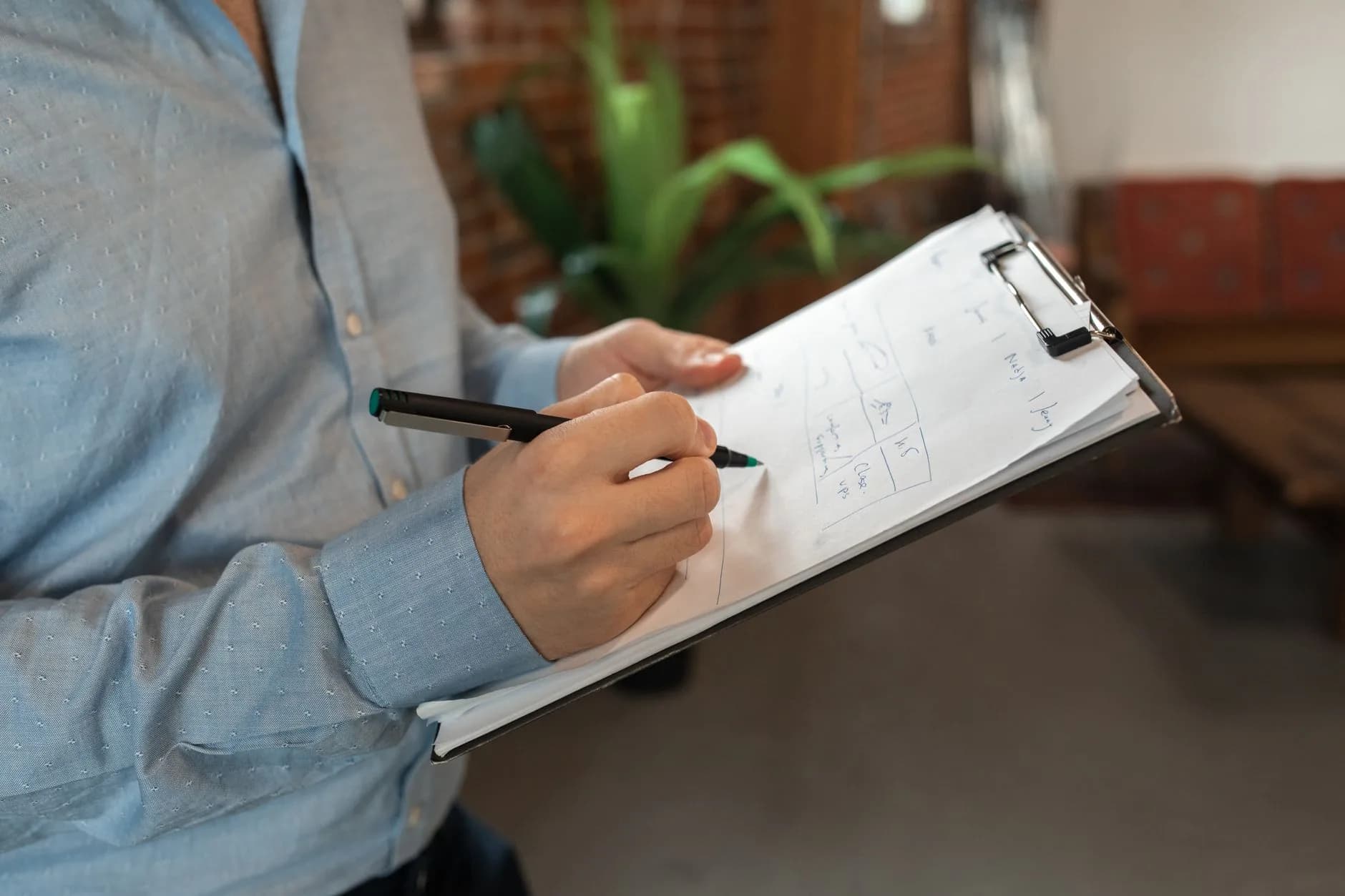
What a run of show is and why it matters
A run of show comes from the world of live production (events, broadcasts, concerts) but works just as well for a brand content session. It differs from a script: the script says what is said, the run of show says when each thing is recorded and how much time it gets.
Without one, the session moves on inertia: you record what you remember, in whatever order comes to mind, and the blocks that need more preparation (wardrobe changes, setting up a second camera, adjusting light for a different shot) eat the time of those planned for the end. The result is almost always the same: the last piece on the list is recorded in a rush or not at all.
With three hours of studio time booked, every block without assigned time is time you take from another. A run of show doesn't eliminate surprises, but it makes them visible before they happen, which is half the problem solved.
How to do it well
Divide by setup blocks, not by pieces
Instead of listing "video 1, video 2, video 3", divide the session by setup blocks: everything recorded with the same camera, the same light and the same wardrobe goes together, even if it ends up as content for three different platforms. Changing setups is what really consumes time, not recording one more take.
Assign real minutes, not optimistic ones
If a 20-minute interview usually takes you 35 minutes counting repeats and adjustments, put 35 in the run of show. Systematically underestimating each block is the most common mistake, and it adds up: five blocks with ten extra minutes each is almost an hour of delay by the end of the day.
Leave one fixed buffer, don't spread it out
Instead of adding five minutes of buffer to each block, reserve a single buffer block of 20-30 minutes at the end of the session. That way the buffer sits where it is needed (the real surprise, not spread across every line) and if it goes unused, it can be used to record extra social content.
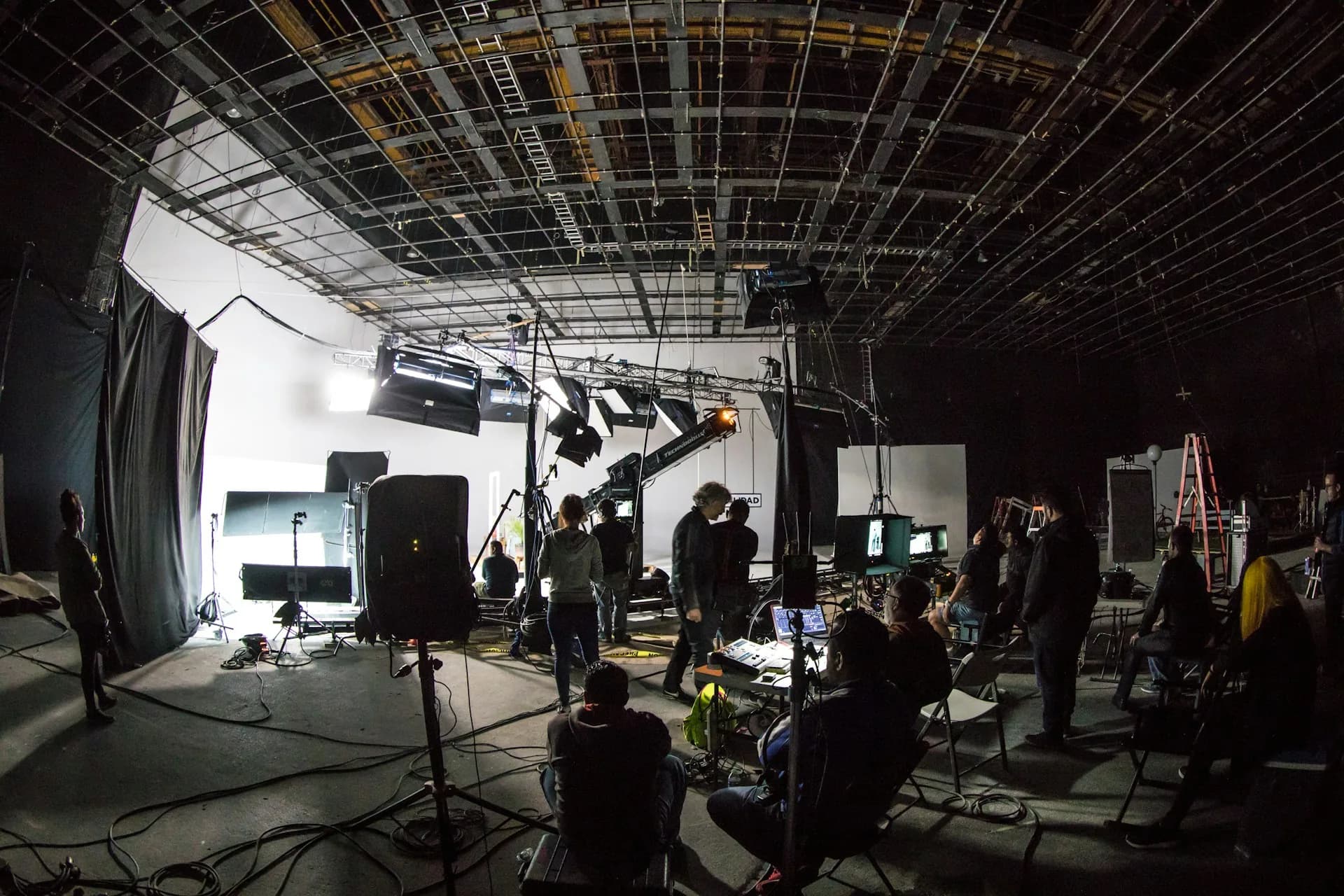
Common mistakes
- Not including wardrobe or prop changes as blocks with their own time.
- Putting the most important piece at the end, when there is less buffer if something runs late.
- Not sharing the run of show with everyone taking part before the recording day.
- Calculating recording time without counting the setup time for each block.
- Leaving no gap to review the footage on camera before moving to the next block.
Frequently asked questions
Is a run of show the same as a script?
No. The script defines what is said and how; the run of show defines when each thing is recorded and how much time it gets. For a session with several pieces you need both: the script for each block and the run of show to organize the whole day.
For how many recorded pieces is a run of show worth it?
From two different pieces in the same session it already pays off. With a single piece the order is obvious; as soon as formats, guests or wardrobe changes cross over, without a schedule you lose real studio time.
Who should prepare the run of show, the client or the studio?
At A0Studios we build it together: the client brings which pieces they need and who takes part, and we calculate the timing of each block based on the equipment and the space available. Sending it two or three days before the session leaves room to adjust before arriving at the studio.
What happens if something runs late on recording day?
That is what the buffer block at the end is for. If the delay is bigger, the run of show also helps you decide with good judgment which piece to trim or move to another session, instead of improvising on the fly.
If you have several pieces to record in the same session and want the day to go as planned, tell us what you need from /#contacto. We will help you build the run of show before you step into the studio, so time goes into recording and not into deciding what comes next.
If you want to record premium content in Madrid, let's talk
From a quick Reels session to a full production day with editing and delivery, we can scope it to fit.