Recording Studio with Marketing Direction in Madrid: Why Who Directs You Matters
Why a recording studio in Madrid with marketing direction gives better results than one that only offers space, light and a camera.
Looking for a recording studio in Madrid almost always starts the same way: comparing square meters, lights and price per hour. But that comparison says nothing about what really decides whether a video works. A beautiful penthouse with good light sells nothing on its own. What moves the result is who directs the session and with what criteria.
At A0Studios we start from that idea. We do not rent a space for you to record whatever you bring planned: we direct the session with the same criteria we would apply to a Meta Ads campaign or to an organic piece that has to retain someone in the first three seconds. The difference does not show in the photos of the studio. It shows in whether the content does something afterwards.
What marketing direction means in a recording studio
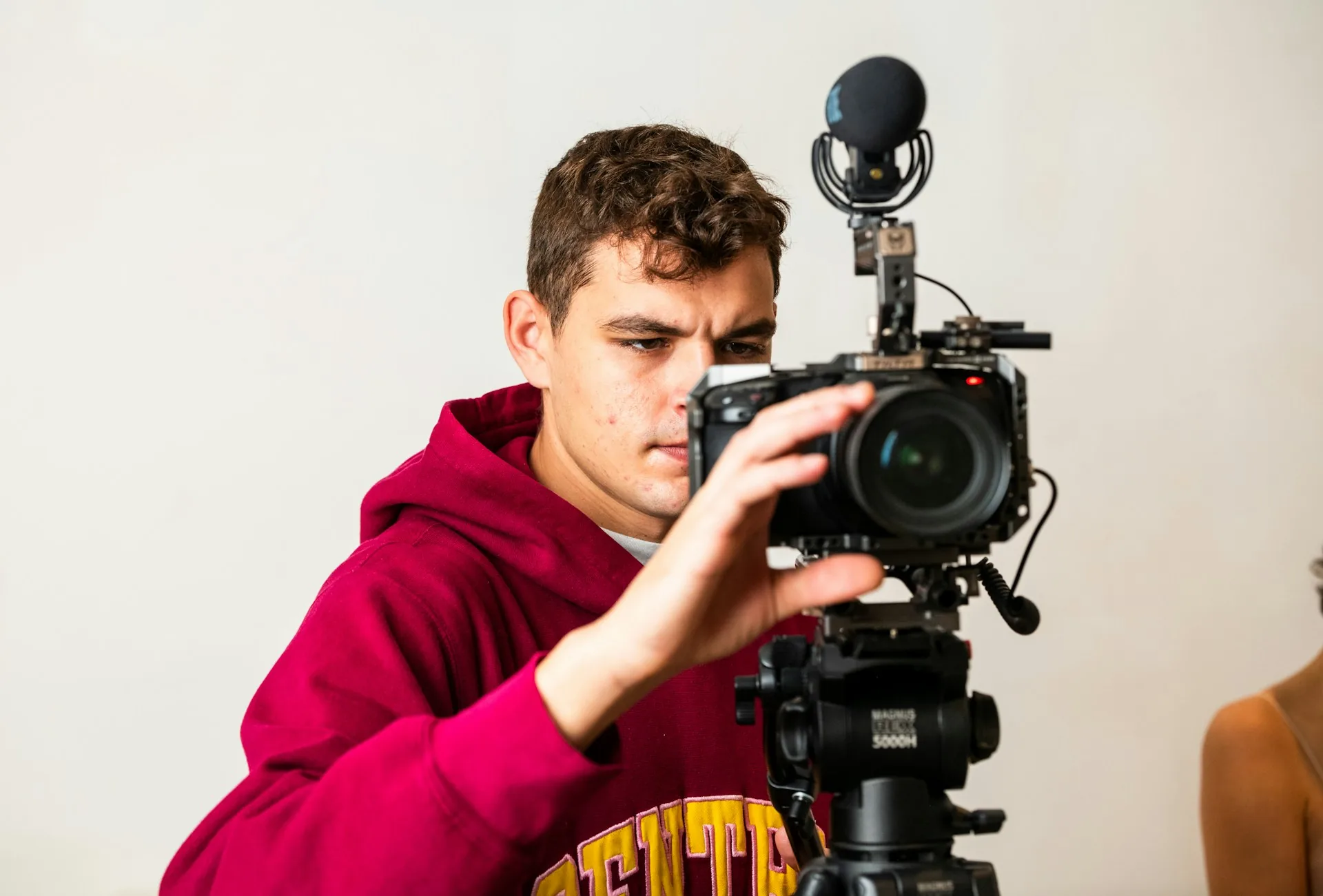
Most studios in Madrid offer a room, light, a camera and sometimes a technician. That solves the technical part: the video looks sharp and sounds clean. But it does not solve whether the video converts, retains or positions. Marketing direction means the person behind the camera has recorded, edited and seen the data from real campaigns, and applies that judgment to the shot, the script and the pace from the first second, not only in the editing phase.
That changes very specific decisions. It changes where the first sentence is cut, whether the product appears at three seconds or at fifteen, whether the shot is fixed or moving, and how many versions of the same message are worth recording to have something to test later. A camera operator without that judgment records what you ask for. Someone with marketing direction tells you, before recording, which version of your idea has the best chance of working.
At A0Studios we apply this the same way with clients who go straight to paid campaigns and with brands that only publish organically. The goal changes, but the method does not: first define what the video has to achieve, then record accordingly, not the other way around.
How to do it well
Before recording: a brief with a real goal
We do not start by asking how many hours you need. We start by asking what has to happen after someone watches the video: that they buy, that they book a call, that they stay on the profile, that they trust the brand. That answer changes the script, the hook and even the order of the pieces within the session. Without that step, the video can look good and move nothing.
In the room: active direction, not just switching on lights
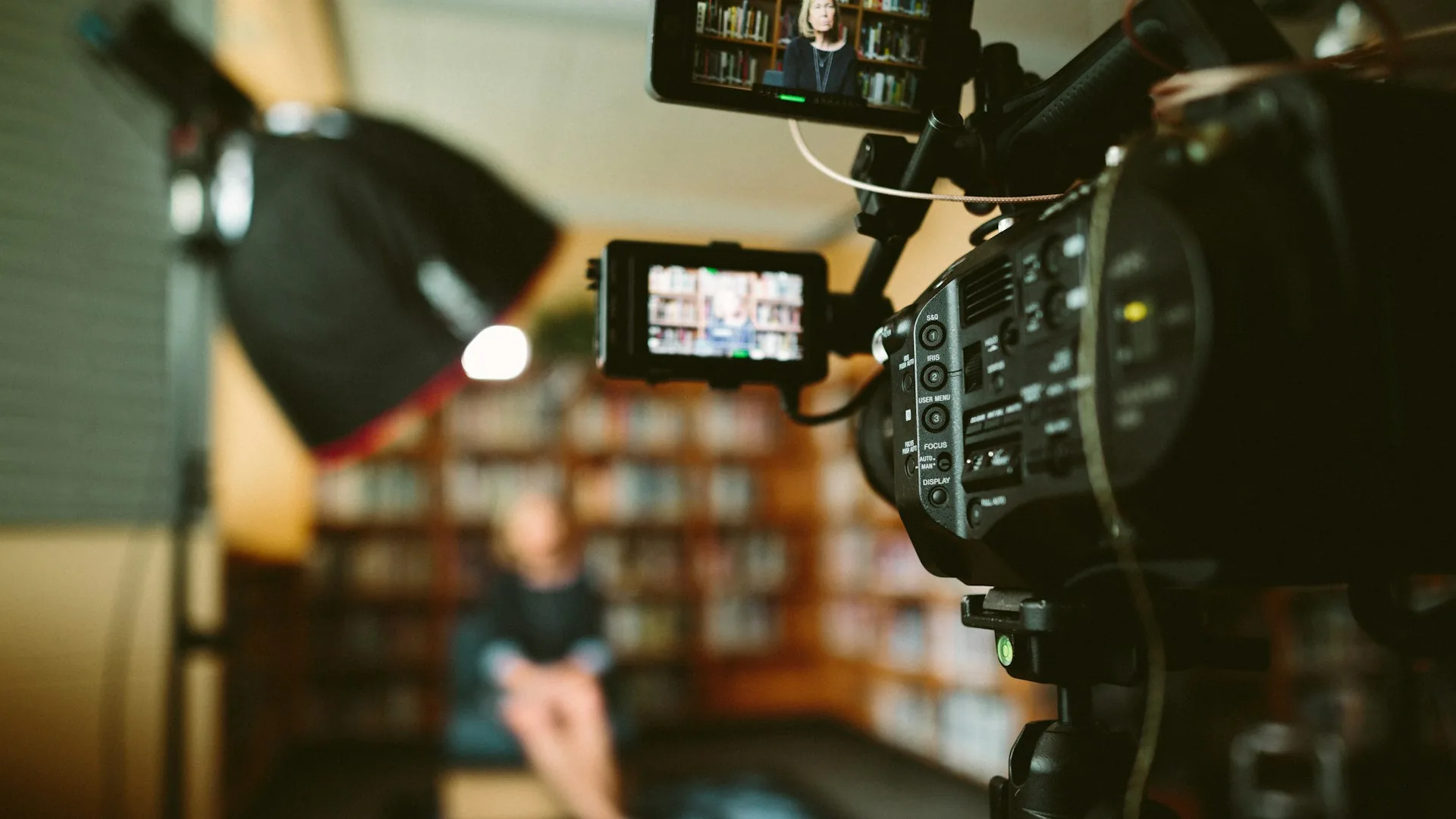
During the recording we do not just adjust the framing. We repeat a take if the hook does not grab in the first three seconds, we change the order of sentences if the idea lands better in reverse, and we suggest a second version of the same message if we think there is an option with more potential to test. That part cannot be fully fixed in the edit: if the direction in the room fails, the piece comes out lame even if the edit is perfect.
Afterwards: which formats come out of a single session
A three-hour session usually produces several pieces: a short commercial for ads, two or three versions of the same hook to test on Meta or TikTok, and additional organic content for LinkedIn or Instagram if time is left over. Planning this before recording, not after, is what lets you leave with material for several weeks instead of a single loose video.
When it makes sense to look for marketing direction, not just space
- You are going to launch paid campaigns on Meta or TikTok and need creatives you can test, not a single version.
- You have already recorded content that looks good but does not convert, and you suspect the problem is the script or the hook.
- You want to use the same session for ads and for organic content without duplicating the cost.
- You are a founder or marketing lead with no time to think through the strategy of each piece before recording.
- You publish fairly often and need variations to keep testing what works best, not a single fixed piece.
Frequently asked questions
What is the difference between renting a studio and hiring marketing direction?
Renting a studio gives you space, light and a camera. Marketing direction adds judgment about what to record, in what order and with which version, thinking about whether the video will sell organically or in paid ads. It is the difference between recording what you bring and recording what has the best chance of working.
Does marketing direction make the session more expensive?
It does not change the price per hour. It is included in Recording + Editing and Full Production. In Recording Only you can request it as one-off support before you start recording.
Can I bring my own script and still get direction?
Yes. We review the script before recording and suggest adjustments to the hook, pace or structure if we think they improve the result. You decide which changes to apply.
Does it work for both organic content and paid ads?
Yes, and combining them in the same session is common. The format and sometimes the length change, but the direction criteria, what retains and what converts, are the same in both cases.
If you are going to record content that has to sell, not just look good, tell us in /#contacto which campaign or format you have in mind and we will see which type of session fits.
If you want to record premium content in Madrid, let's talk
From a quick Reels session to a full production day with editing and delivery, we can scope it to fit.