How to direct someone with no on-camera experience
How to direct a founder, an employee or a guest who has never recorded anything, so you get a natural take that doesn't look like their first time.
Most of the people who sit in front of our cameras at A0Studios are not actors or presenters. They are founders, marketing leads, employees about to appear in a company video, or podcast guests who have never recorded anything. Their first instinct is almost always the same: stiffen up, speak slower than usual and hunt for the exact word instead of the idea.
Directing someone with no experience does not mean handing them a script to memorize. It means taking the pressure off until they talk the way they do in a normal conversation. This is what we do in session to get there.
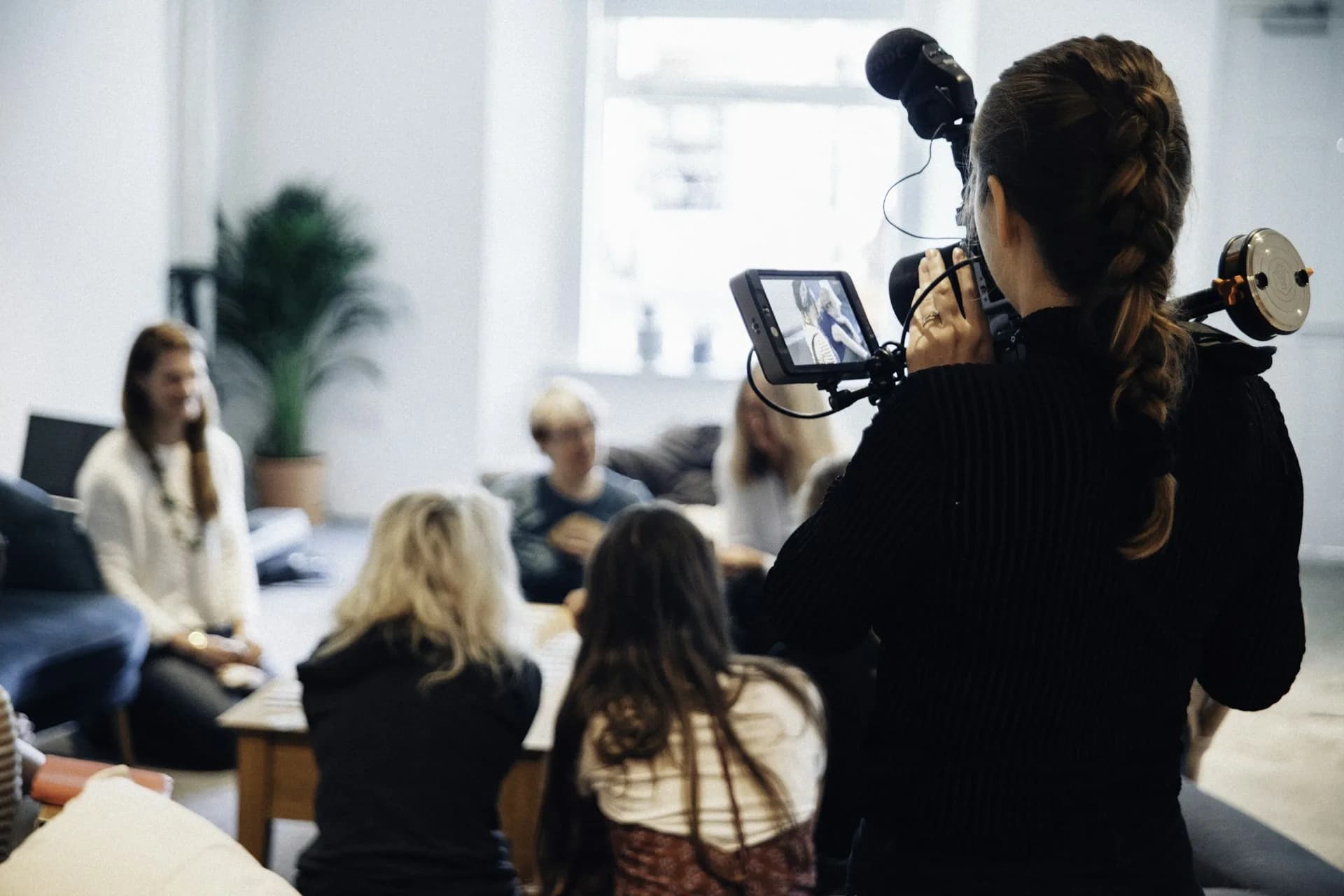
Why nobody sounds natural on the first try
When a camera points at someone, two things happen at once: they start thinking about how they look (posture, hands, face) and about what they are going to say. Doing both well at the same time is hard even for experienced people. The typical result is a more formal tone than usual, longer sentences than they would use in a real chat and odd pauses while searching for the perfect word.
This is not a problem with the person, it is a problem of direction. If we give them a fixed script to recite, we make it worse: now they also have to remember text. The fix is not demanding more discipline, it is changing how we set up the session before they sit in front of the lens.
How to direct for a natural result
Give ideas, not sentences
Instead of a word-for-word script, we give a list of 3-4 ideas they need to cover, in whatever order feels most natural to say them. If the person rephrases in their own words, even better: that is exactly what makes them sound like themselves and not like a read-out ad. A fixed script only works if the person is already trained to sound natural while reading, and that is rare outside professional voice talent.
Record a warm-up take you won't use
The first take is almost never the good one, and telling the person before you start changes everything. If they know that first recording doesn't count, they relax because it doesn't have to be perfect. We usually record two or three minutes of loose chat at the start, with the camera not really "on", just so they get used to the space and to our voice before the result starts to matter.
Ask questions, don't ask for speeches
It is easier to answer a question than to deliver a monologue from scratch. If we need someone to explain a topic on camera, we frame it as if we were chatting off camera: "why did you decide to do it this way?" instead of "tell me why we decided to do it this way". The answer comes out looser because they are not building a speech, they are answering something they were just asked.
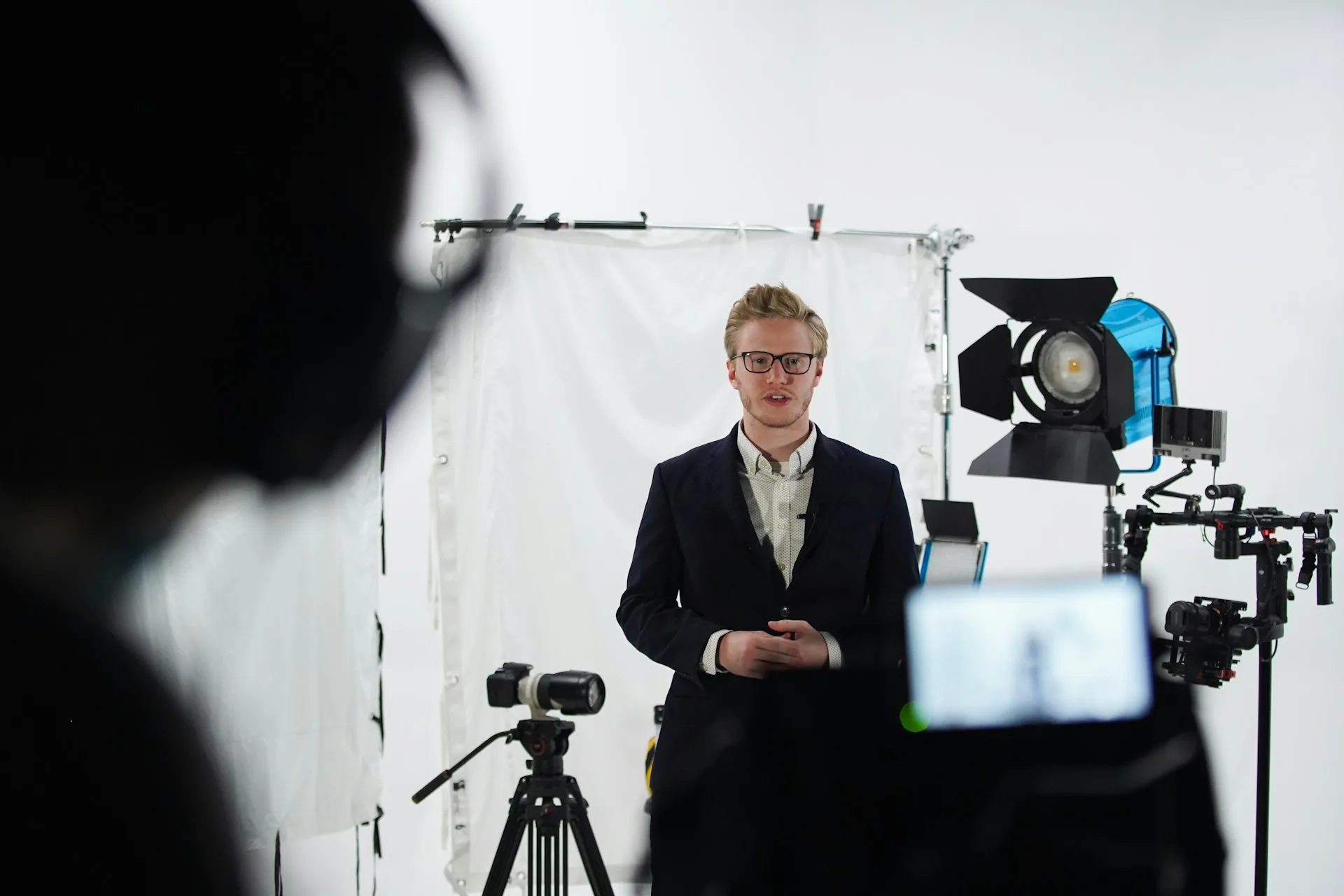
Common mistakes when directing someone with no experience
- Giving them a fixed script and asking them to memorize it word for word.
- Cutting the recording every time they stumble, instead of letting them finish the idea and repeating it afterwards.
- Correcting out loud in front of the whole crew, instead of giving the note privately between takes.
- Not saying beforehand how long the session will last: uncertainty makes people more nervous.
- Asking for energy or enthusiasm without explaining which channel it is for and who will watch it.
- Chaining too many takes in a row without a break: fatigue shows more than first-take nerves.
Frequently asked questions
How much time should you spend with a beginner before recording for real?
10-15 minutes of chat and a warm-up take is usually enough for most people to relax. If the session is long or has several content blocks, it helps to repeat a short warm-up at the start of each new block.
Is it better to use a teleprompter with a beginner?
It depends on the text. For specific data (figures, names, an exact definition) it helps. For explaining something in their own words, a teleprompter usually sounds worse because the person reads instead of thinking out loud.
What should I do if the person gets more nervous with every take?
Stop and switch topics for a few minutes. Pushing on the same point usually makes it worse. Coming back to that part later, once they have been talking freely about other things, almost always works better than seven takes in a row of the same paragraph.
Can you tell in the final video that someone has no camera experience?
Only if they were directed badly. With clear ideas, warm-up time and no forced script, the gap between an experienced person and a beginner shrinks a lot in the final result.
If you need to film someone who has never been in front of a camera and you want them to look natural, at A0Studios we direct the session with that in mind from minute one. Write to us from /#contacto and we will prepare it together before the recording day.
If you want to record premium content in Madrid, let's talk
From a quick Reels session to a full production day with editing and delivery, we can scope it to fit.