Color grading in brand video: what it is and why it changes the final result
What color grading is, how it differs from color correction, and why it can be the difference between a video that looks amateur and one that looks like a brand.
Some videos are well shot, well lit and well framed and still feel half-finished. Almost always the same step is missing: color grading. It's the part of the process you notice least when it's done well and miss most when it hasn't been done.
At A0Studios we apply it in Recording + Editing and Full Production, and it's one of the things clients who come from recording on their own ask about most: why their video, with a good camera and good light, doesn't look like that of a brand that appears on social media with a polished look. Almost always the answer is here.
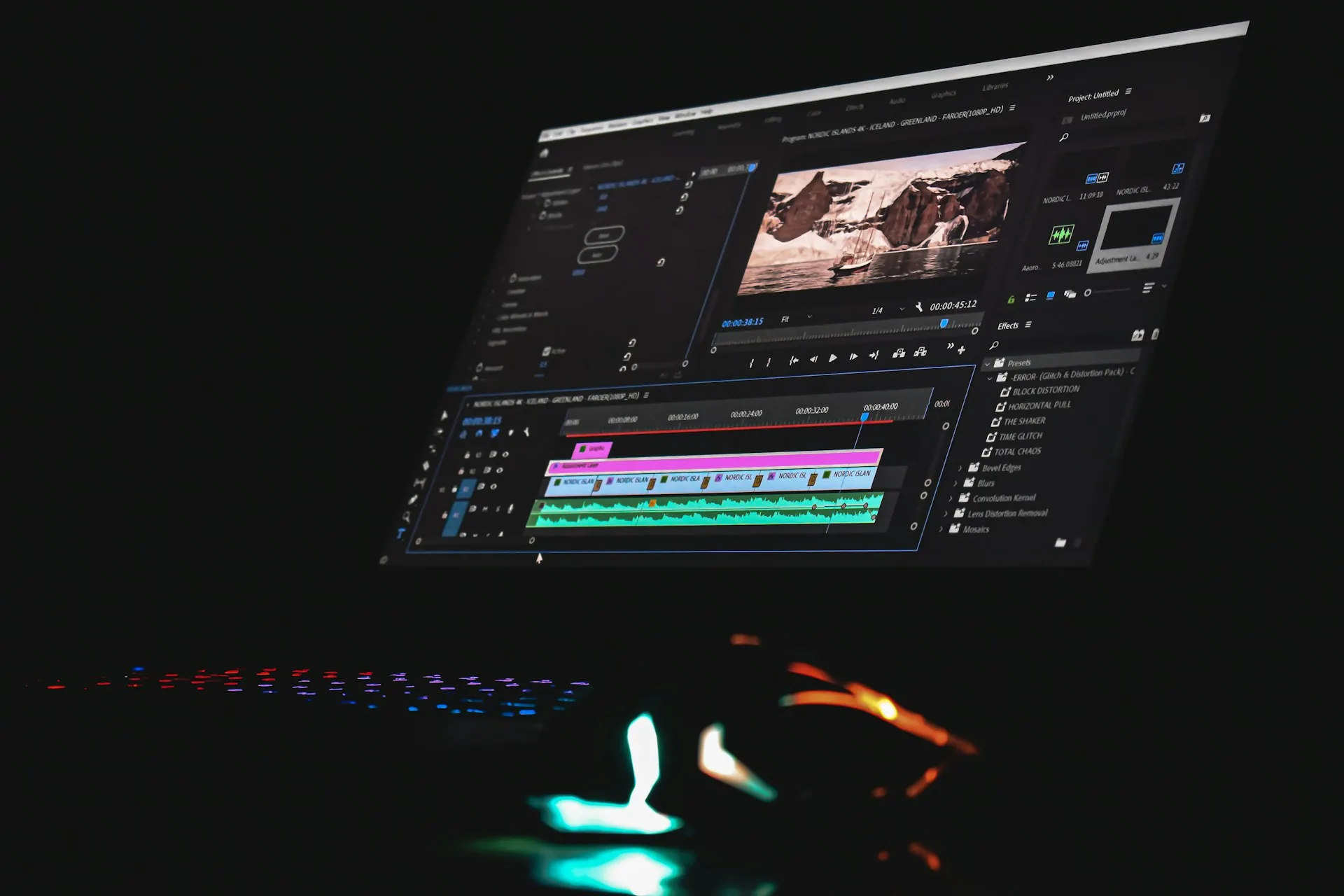
What color grading is
Color grading is the creative adjustment of a video's color in post-production: contrast, temperature, saturation, skin tones, the overall look of the image. It's not about covering up a recording error, it's about deciding how the finished piece looks and applying that judgment consistently across all shots.
It's often confused with color correction, which is a different and earlier step: matching exposure and white balance between shots recorded under different light or with a different camera, so the starting material is uniform. Correction fixes, grading decides the final look.
In DaVinci Resolve, which is what we use at A0Studios for this part, both steps go one after the other: first the raw footage is leveled, then the look is applied. Without that first step, grading amplifies any difference between shots instead of hiding it.
How to do it well
Start from a reference look, not from trying filters
The most common mistake is opening the color tool and moving sliders until something "looks good". It works better the other way around: define before recording what look the brand wants (warmer, more neutral, higher contrast) and record with that result in mind, instead of trying to fix everything afterwards.
Take care of skin tones before anything else
In brand video there's almost always a person talking to camera. If the grade leaves the skin with an odd tone to get a more cinematic mood, the point has been lost. Skin is corrected first and the rest of the look is built around it, not the other way around.
Apply the same look to the whole piece, not shot by shot
A video whose shots change tone from one to the next is noticeable, even if the viewer can't explain why. Grading is thought of as a single look applied consistently across the whole session, then adjusting each shot only as much as needed so they match each other.
Common mistakes
- Applying a generic LUT downloaded from the internet without adjusting it to the real scene.
- Oversaturating to make the video "stand out" on social media.
- Not correcting color between shots before applying the creative look.
- Ignoring how the grade looks on a phone screen, where most content is consumed.
- Changing the look between videos from the same brand, losing visual consistency.
- Recording without thinking about grading and expecting the edit to fix a flat image.
Frequently asked questions
Do all videos need color grading?
Not all at the same level. A quick video for Stories can stay at basic correction. But a brand video, a corporate video or any piece that represents a company's image always benefits from careful grading.
Can you do good color grading with a phone?
You can correct color with phone footage, but there's less room: less dynamic range and more aggressive compression. With a professional camera recording in a flat profile there is much more room for the final grade.
Does A0Studios include color grading in editing?
Yes. In Recording + Editing and Full Production, grading is part of the post-production process, not a separate extra. A consistent look is applied, designed for the type of content and the brand.
How long does grading take in the editing process?
It depends on the number of shots and whether it's the first time the brand's look is being defined. Once defined, applying it to new pieces is fast because the criteria are already established.
Color grading is not an aesthetic whim, it's what separates a well-shot video from a finished one. If you want your content to have a consistent, polished look from the first session, get in touch via /#contacto.
If you want to record premium content in Madrid, let's talk
From a quick Reels session to a full production day with editing and delivery, we can scope it to fit.