Audiovisual coverage of corporate events: what you need to film it well
What it takes to cover a corporate event on video without losing quality: how many cameras, how to handle live audio and which deliverables to get at the end.
A corporate event is filmed once. There are no retakes and no second chance if the speaker's audio fails or the camera loses focus just as the CEO walks on stage. That completely changes how you plan the production compared with a studio recording, where you can always stop and try again.
We have covered events for organizations such as IFEMA, the Cámara de Comercio de Madrid and Cinesa, and the pattern repeats: the event goes well when the coverage plan is locked before it starts, not when it is improvised on the fly. This guide covers what you need to decide before, during and after filming a corporate event.
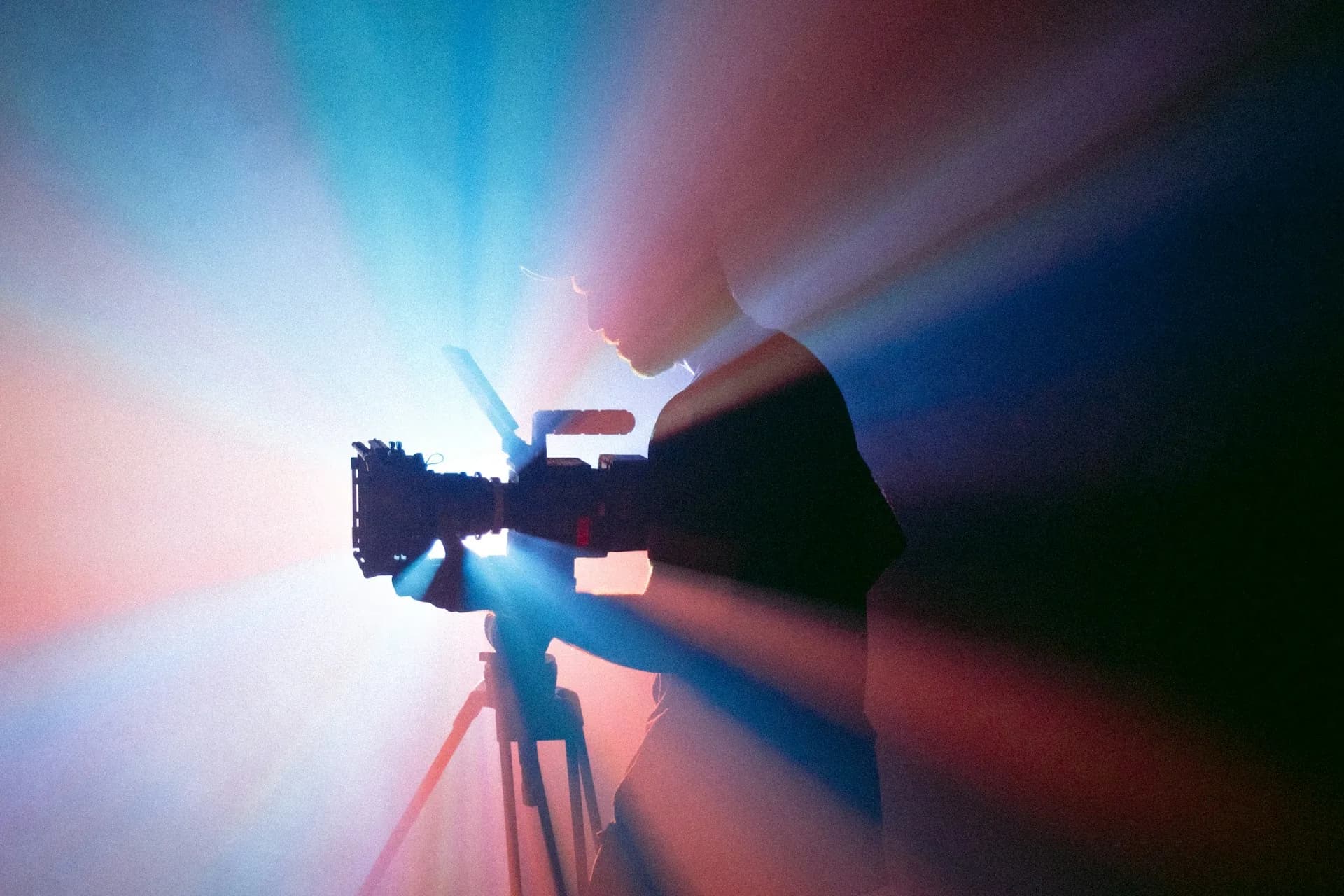
What is different at an event compared with a studio recording
In a studio you control the light, the sound, the time and the pace. At an event you control very little of that. The speaker may run over, the venue's sound technician may have their own mixer, and the space is usually designed for the audience in the room, not for the camera. Audiovisual coverage has to adapt to the event, not the other way around.
That forces you to settle three things in advance: how many cameras you need so you miss no key moment, how you will capture audio without relying only on the room sound, and what you will deliver at the end, because the raw footage from an event is almost never what the client needs to share afterwards.
How to do it right
How many cameras you need depending on the format
A talk with a single fixed speaker can be covered with two cameras: a wide shot of the stage and a medium shot you can move to react. A panel with several guests, or an event with a photocall, networking and talks, needs a third roaming camera per room so you do not depend on everything happening on stage. More than three cameras rarely adds value unless there is a live production team cutting between them.
Live audio: the point that fails most
The most common mistake is relying entirely on the room's ambient sound. If the event has its own PA system, the right move is to ask for a line output from the venue's mixer in addition to your own lavalier or handheld mic on the speaker. That line output is what saves the recording when the room technician raises or lowers the volume without warning.
Which deliverable to ask for when the event ends
Two hours of raw footage from three cameras is not publishable. What actually gets used afterwards is a 60-90 second recap video for social media, a longer video of the main talk for the website, and a batch of short clips of the moments with the most hook: a powerful sentence, a reaction from the audience, a strong visual moment. You need to ask for this as a deliverable from the initial briefing, not improvise it in editing.
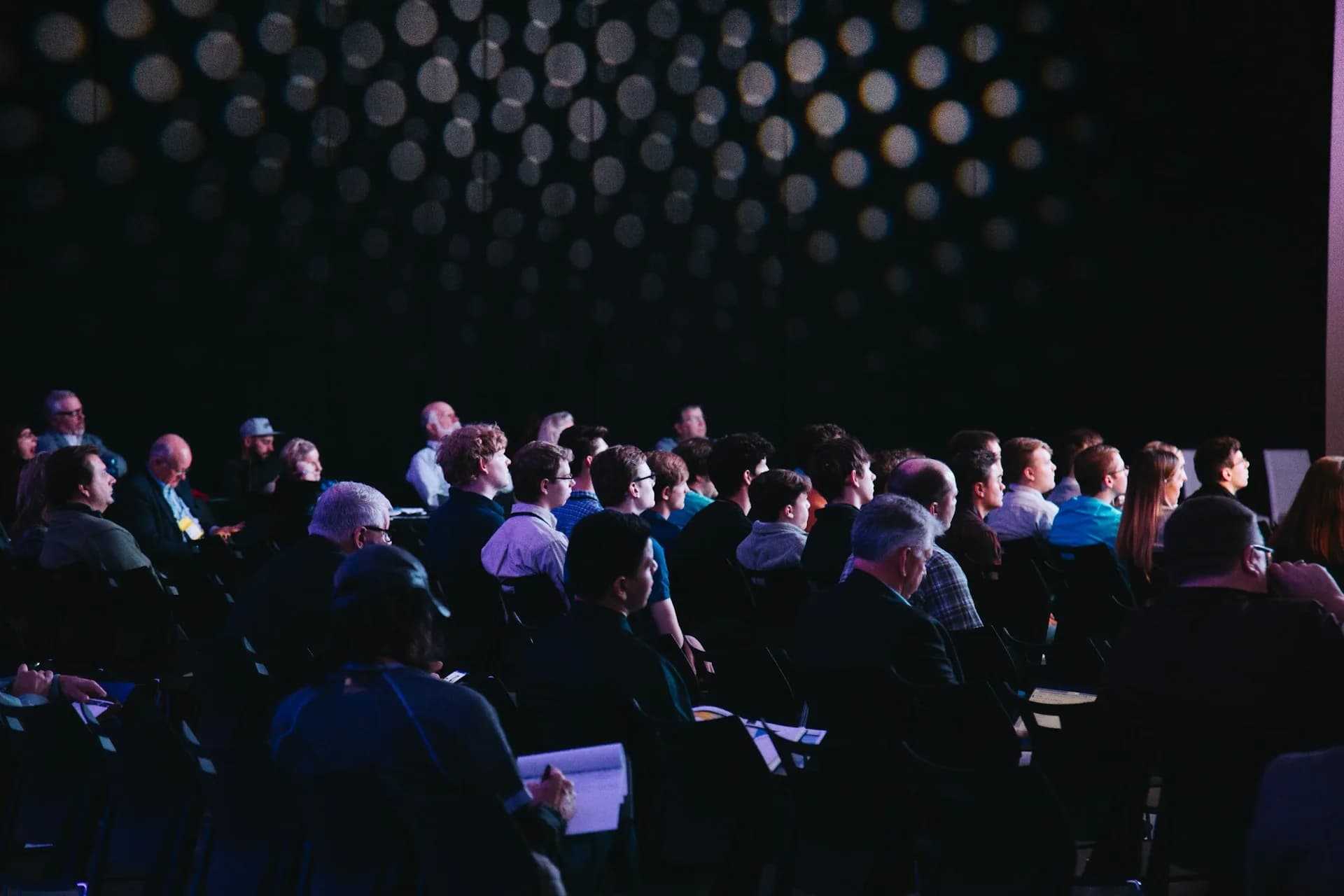
Common mistakes when covering an event
- Relying only on the room microphone without asking for a line output from the mixer.
- Covering with a single camera an event with several simultaneous moments (photocall, networking, stage).
- Not defining the final deliverable before the event, which lengthens and raises the cost of editing afterwards.
- Placing the camera without first checking how the light changes during the event's actual hours.
- Having no plan B if the main speaker is late or the program order changes.
Frequently asked questions
How many cameras do I need to cover a corporate event?
It depends on the format. A single talk is well covered with two cameras. An event with several spaces or simultaneous moments needs at least three.
Can you connect to the event venue's sound system?
Yes. Whenever possible we ask for a line output from the venue's mixer in addition to our own mic on the speaker, so we do not depend on the volume the room technician manages.
Do you deliver the full video or also clips for social media?
Both. We deliver the main video of the talk and a batch of short clips designed for social media, plus the event recap if requested in the briefing.
Do you work on events outside the A0Studios penthouse?
Yes. Corporate event coverage takes place at the client's space or at the venue where the event is held, not in our studio.
If you have a corporate event coming up and want to lock the coverage plan in time, tell us the format from /#contacto. We will tell you how many cameras and which deliverables make sense for your case.
If you want to record premium content in Madrid, let's talk
From a quick Reels session to a full production day with editing and delivery, we can scope it to fit.