The brief before you record: what to ask so you don't waste session time
What information we need before a recording session so studio time isn't lost deciding things live, and which specific questions stop the session from running long for no reason.
Every session that runs late in the room for lack of information costs money. At A0Studios we see the same pattern almost every week: the client arrives with a general idea of what they want to record, but without the concrete answers we need to build the schedule: how many pieces come out of the session, in what format, with what tone. That gets solved before the cameras go on, not inside the room.
A good brief is not a bureaucratic form or an extra layer of work. It's the difference between recording what you need in two hours or stretching to four and going home with footage that doesn't match what you actually wanted to publish. Here's what we ask before any session and why those specific questions save so much time.
What a brief is and why it matters
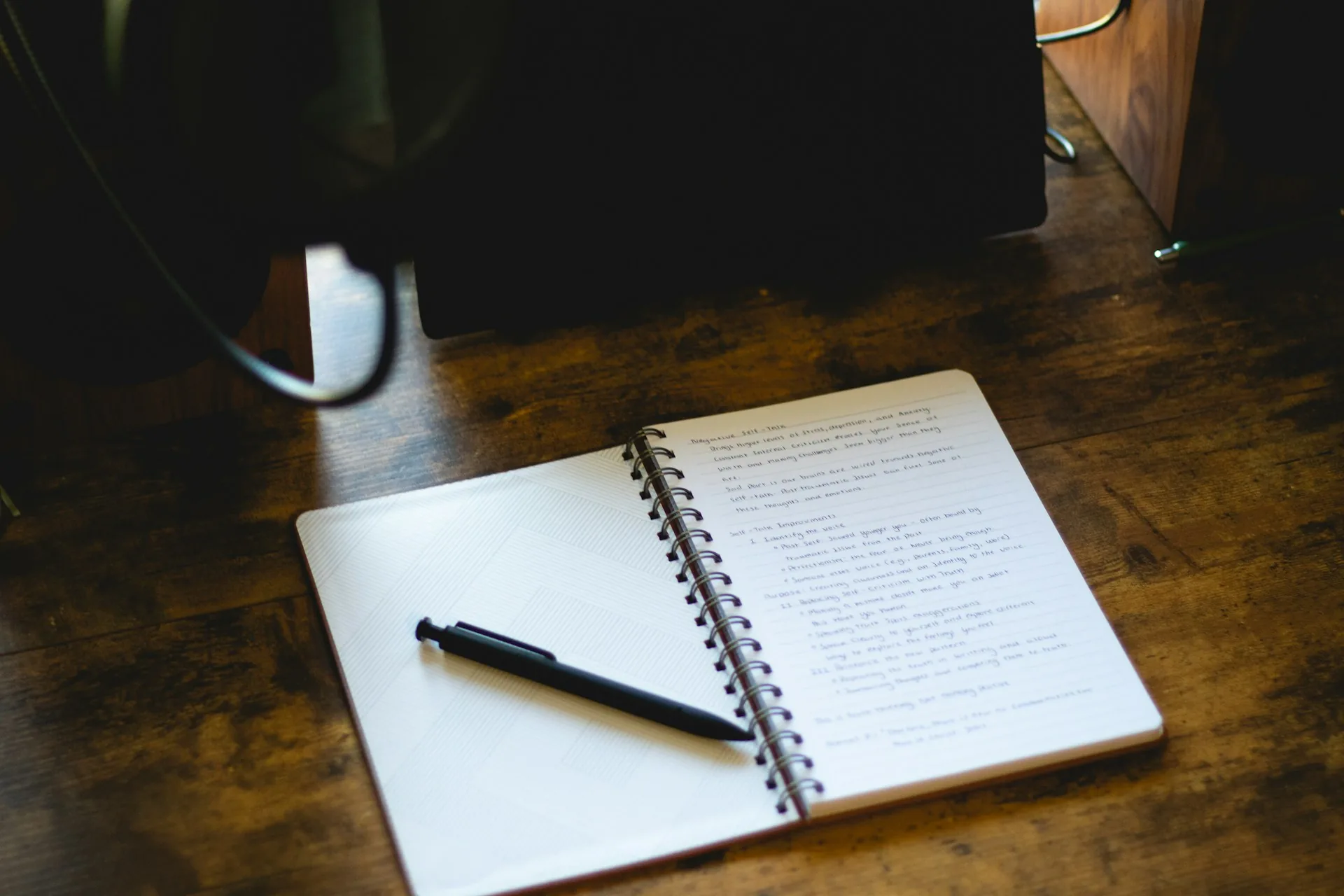
A recording brief is the minimum information we need before starting: what the content is for, who will watch it, how many final pieces come out of the session and what tone it has to convey. Without that we improvise on the spot, and improvising in the room is the most expensive part of the whole production, because studio time can't be recovered.
Most brands and founders who come to A0Studios without prior recording experience don't have this document ready, and that's fine: for that we do a call of about 15 minutes before the session. But the more resolved the client arrives, the less time is lost adjusting live decisions that could have been made calmly a week earlier.
You don't need a multi-page document. Five or six well-answered questions are enough for the team to arrive with the schedule locked: what gets recorded first, what lighting each block needs, how many wardrobe or background changes to plan for during the morning.
How to do it well
Define the goal before the format
Before deciding whether it's a Reel, a long video or a podcast episode, you need to be clear about what the content is for: generating leads, building authority, selling a specific product or simply maintaining presence. The format comes from there, not the other way around. Many sessions run long because the client changes format midway through recording after realizing that what they asked for didn't fit what they actually needed.
Lock the number of pieces before entering the room
Recording to get a single video is not the same as recording to get fifteen social media clips. The number of pieces changes the recording time, the number of takes per block and how the script or outline is organized. If we don't know in advance, we record too much, losing studio time, or too little, and you have to book another session to complete what was missing.
Know who speaks and in what tone
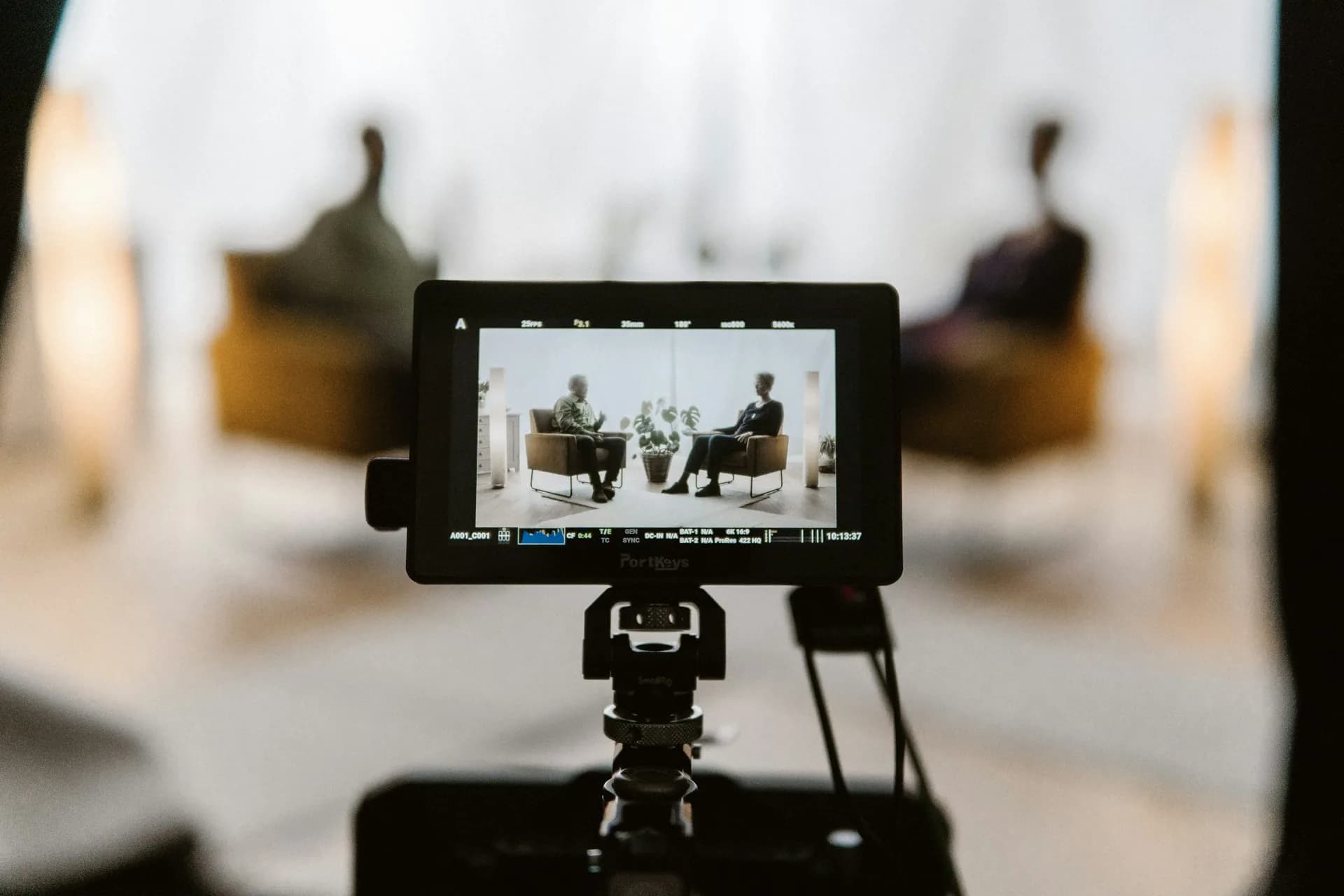
Whether it's a founder alone talking to camera, two people in a conversation format or an outside guest being interviewed, the room is set up differently. Tone matters too: a corporate institutional video is not the same as a direct, relaxed Reel. That decision affects lighting, framing and even the questions we prepare before recording an interview.
Common mistakes
- Arriving without a script or outline and deciding the order of the pieces inside the room.
- Not announcing wardrobe or background changes until the day of recording.
- Asking for "some content" without defining how many pieces are needed in the end.
- Not sharing visual references beforehand: everyone understands "professional" differently.
- Adding last-minute content without extending the session time already booked.
- Confusing the brief with the script: one defines the goal, the other the exact content of each piece.
Frequently asked questions
How long before the session should the brief be sent?
48-72 hours in advance is enough. That lets us prepare the room schedule, the lighting for the format and tell you if something doesn't fit the time you have booked.
What if I'm still not clear on the brief?
No problem. We do a short call before the recording to settle the key questions: goal, number of pieces, tone and who appears on camera.
Does the brief change the session price?
Not directly. The price depends on the service you choose (Recording Only, Recording + Editing or Full Production), but a clear brief usually leads to shorter, more efficient sessions because less time is lost deciding in the room.
Can part of the content be improvised even with a brief?
Yes, and it's actually a good idea to leave room for it. The brief fixes the essentials (goal, number of pieces, tone), but within that there's always space to adjust in the room depending on how the recording flows.
A good brief doesn't remove the spontaneity of recording, it protects it. If you're clear on what you need the content for and how many pieces you want out of the session, studio time goes to what really matters: getting it right in front of the camera. If you want us to prepare the brief together before your next session, get in touch via /#contacto.
If you want to record premium content in Madrid, let's talk
From a quick Reels session to a full production day with editing and delivery, we can scope it to fit.