What is an aftermovie and how it is produced for a corporate event
What sets an aftermovie apart from full event coverage, how the shoot is planned and what makes an aftermovie work on social media.
A corporate event lasts a few hours. The feeling that it was something important has to last much longer, and that is where the aftermovie comes in.
An aftermovie is a short video, edited to the beat of music, that sums up the best of the event in under two minutes. It isn't the full coverage or a recap of the keynote: it is the piece you show to people who weren't there so they feel they missed out, and the one you show the following year to sell the next edition.
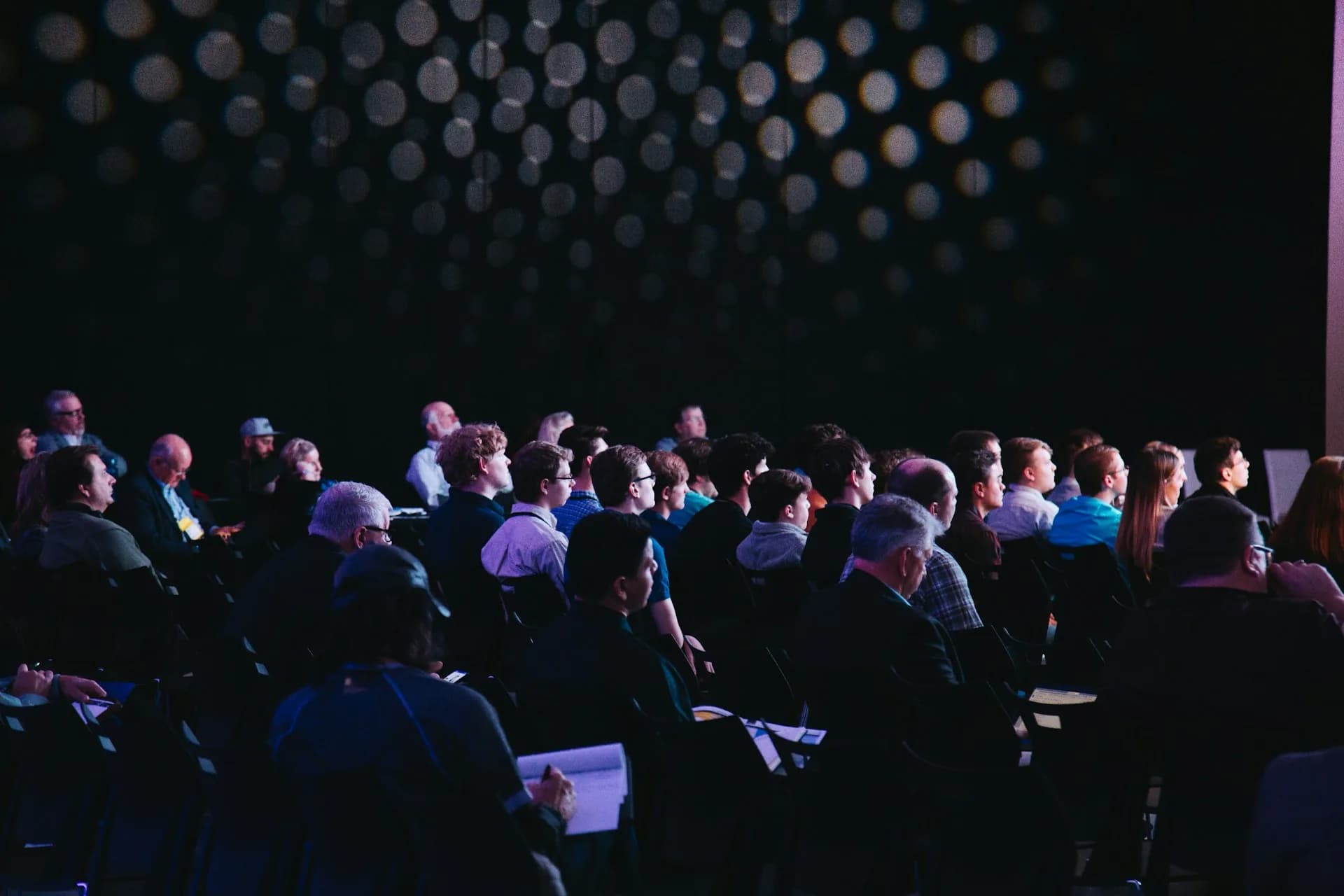
What an aftermovie is and how it differs from event coverage
At A0Studios we record full corporate event coverage: entire talks, interviews, live streaming. The aftermovie is something else. It doesn't aim to inform, it aims to convey energy. It takes the best seconds of the day (the room filling up, the applause for the speaker, people talking during breaks, the moment the lights go down to start) and cuts them into a short piece made for social media.
The difference shows in the goal. Coverage serves to document and for people who couldn't attend a specific talk. The aftermovie serves to sell the event's brand: to sponsors, to the next edition, to whoever decides next year's budget. At congress or trade-fair style events, like those held at venues such as IFEMA, the aftermovie is usually the piece shared most afterwards, more than any single talk.
How to produce an aftermovie that works
Multi-camera recording of the day
An aftermovie is built from varied shots, not from the fixed recording of a single camera at the back of the room. We usually combine a fixed camera on stage, a handheld camera to move through the audience and detail shots: hands applauding, business cards changing hands, coffees during the break. Without that varied material, the edit runs short of options and all aftermovies end up looking like the same video. That is why we prepare a shot list in advance with the organizer: which moments can't be missed and in what likely order they will happen during the day.
Music selection and editing rhythm
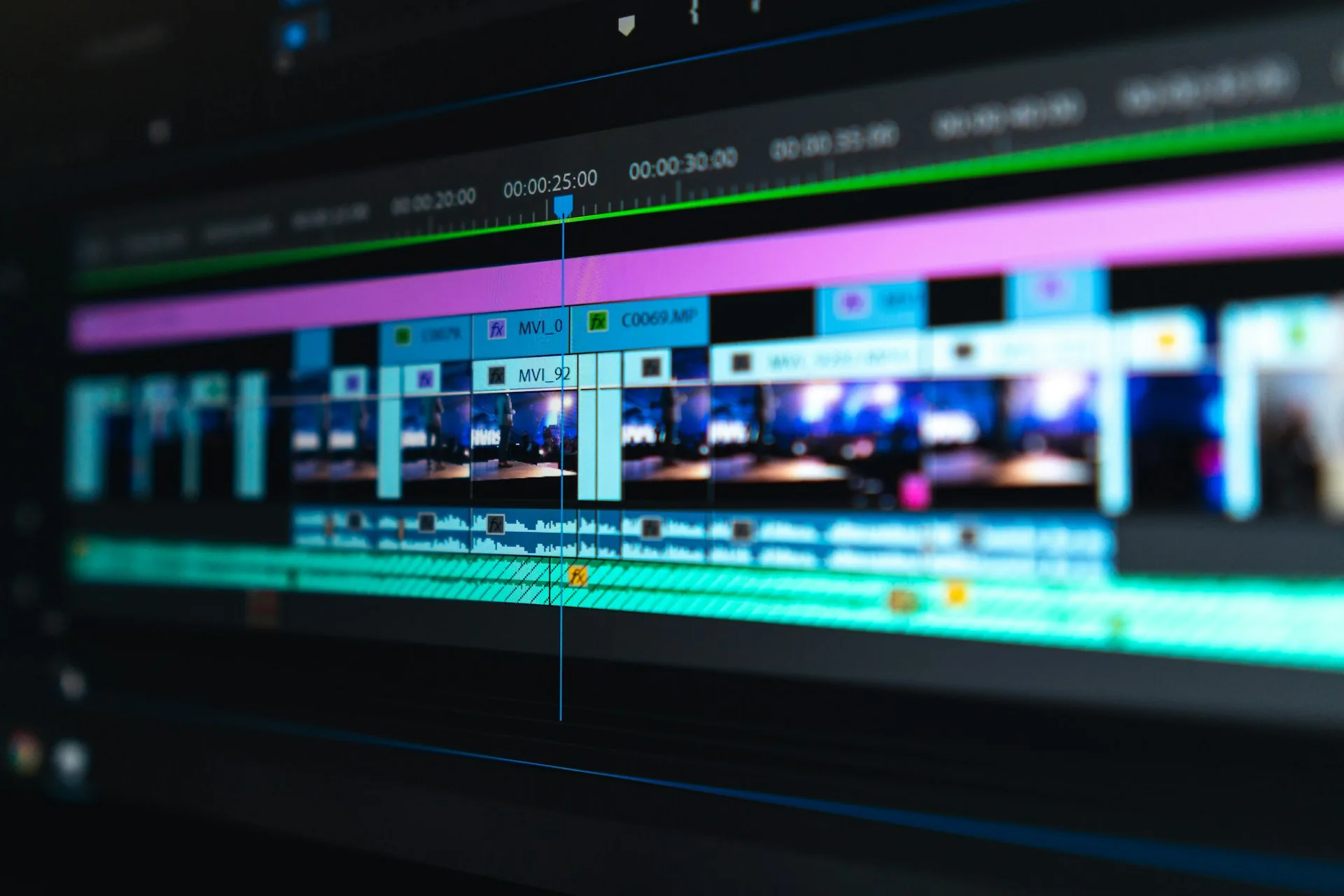
Music rules in an aftermovie. Each shot is cut to the beat of the song, not the other way round. We choose the track before editing, not after, because the rhythm determines which shots are used and how long each lasts. We work with clearly licensed libraries so the video doesn't end up muted or removed on social platforms over copyright. A track that is too slow makes an energetic event look dull on screen; one that is too fast leaves no room for the stage shots to breathe.
Delivery times
An aftermovie loses strength the longer it takes to come out. The ideal is to deliver it three to five days after the event, while there is still active conversation on social media about what happened. At large events, a thirty-second teaser is sometimes also requested within the first twenty-four hours, with the final aftermovie a few days later using material already selected in DaVinci Resolve.
Common mistakes when commissioning an aftermovie
- Not defining beforehand which moments are essential (opening, star speaker, closing) and letting the crew improvise on the day.
- Asking for an aftermovie longer than three minutes: it loses its purpose as a short piece and nobody watches it to the end.
- Using music without a clear license, which can end with the video muted or removed on social media.
- Not telling the recording team about networking moments or breaks, which usually give the most human shots of the video.
- Commissioning the edit weeks after the event, when there is no active conversation around it anymore.
- Focusing all the footage on the stage and leaving no room to record audience reactions.
Frequently asked questions
How long should a corporate event aftermovie be?
Between 60 and 120 seconds is the range that works best. Enough to convey energy without losing the attention of someone watching on social media.
How long does it take to produce an aftermovie?
Between three and five days after the event, if the footage is well organized. For faster delivery, a 24-48 hour teaser can be edited with fewer shots.
Do you need to shoot with a drone?
It isn't essential, but it helps at large events or with outdoor spaces. For indoor events, handheld cameras and detail shots usually add more than an aerial shot.
Does an aftermovie make sense for an internal event, not just big congresses?
Yes. It works just as well for a company event, an internal launch or a team convention: the goal is the same, to record that it mattered.
If you are organizing an event and want something more than scattered photos to remain, at A0Studios we plan the aftermovie as part of the coverage, not as a last-minute extra. Write to us via /#contacto and we'll prepare it together.
If you want to record premium content in Madrid, let's talk
From a quick Reels session to a full production day with editing and delivery, we can scope it to fit.