How to Get a Full Year of Content from a Single Corporate Event
How to turn one corporate event into content for the whole year: what to record during and after, how many pieces you get and how to split them between organic and ads.
A company puts on an event, invites clients, brings in speakers and holds it on a Thursday. By Friday nobody talks about it anymore. An aftermovie goes out, a couple of photos on LinkedIn, and everything gets archived. That's wasting the most expensive work of the year.
An event is a raw material factory: people with ideas, spontaneous testimonials and a set that's already paid for. At A0Studios we treat it that way. I plan beforehand which pieces the brand needs over twelve months, and the event plus a follow-up studio session produce them.
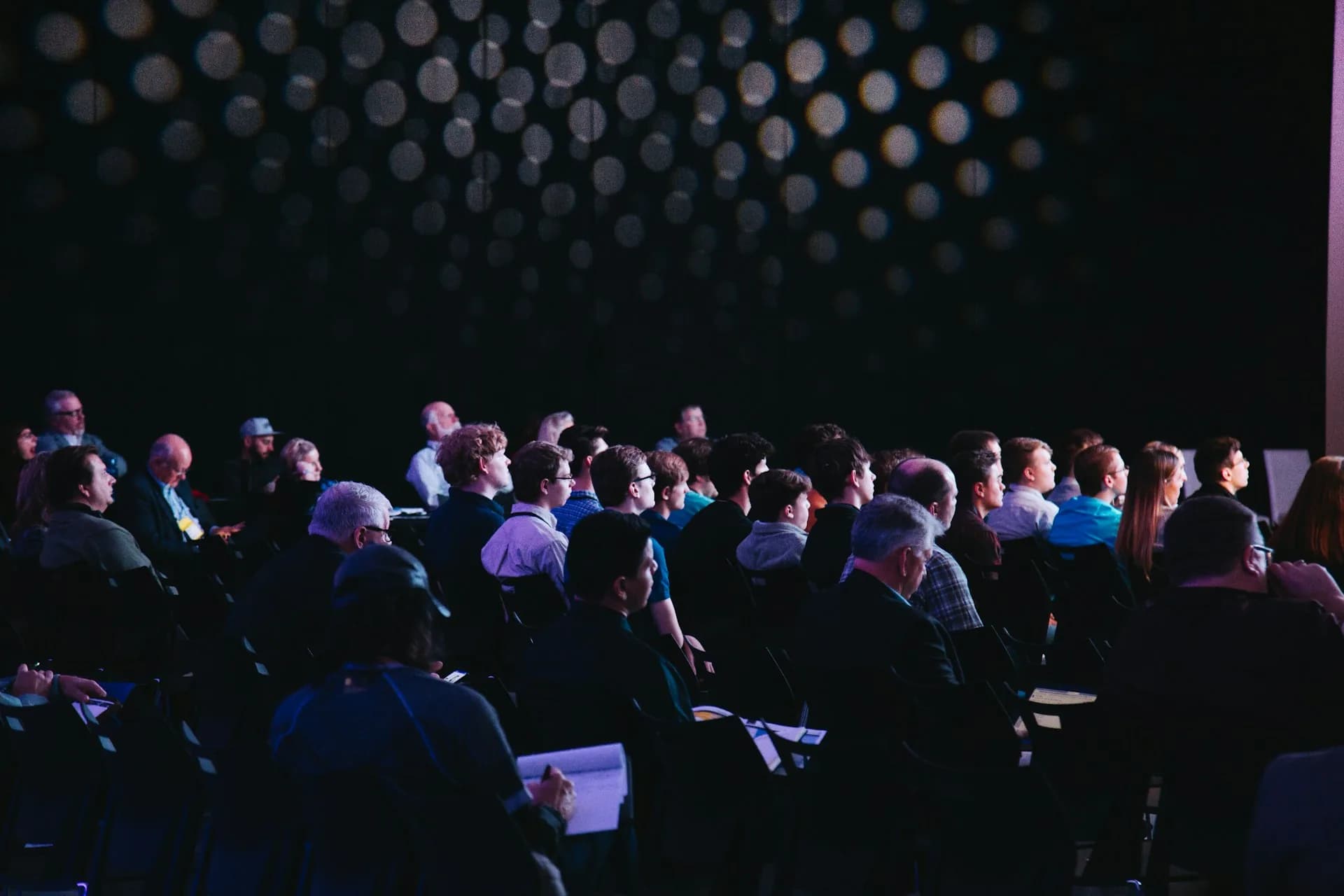
Why an event gives more content than it seems
In a 6-hour day with 5 speakers there are 5 talks, dozens of hallway conversations and about 10 people with a useful opinion about your sector. If you only record the room in a wide shot, you end up with one long tape nobody will watch in full.
The problem is that the event isn't designed for camera. There's noise, the light changes and the speakers talk to the room, not to a phone. That's why the event brings the authenticity and the studio brings the quality. Both together give you a year of content.
We've worked with IFEMA, the Madrid Chamber of Commerce and Cinesa, and the pattern repeats: what performs best afterwards isn't the summary piece, but the short answers to a specific question.
How to do it well
Before: decide the 12 pieces you need
Before the event, write down what you want to have when it's over. For example: 6 opinion clips from speakers, 4 attendee testimonials, 1 summary of 90 seconds and 10 quotes for posts. With that list you decide how many cameras to bring and who needs to be prepared.
During: one camera for the room and another for interviews
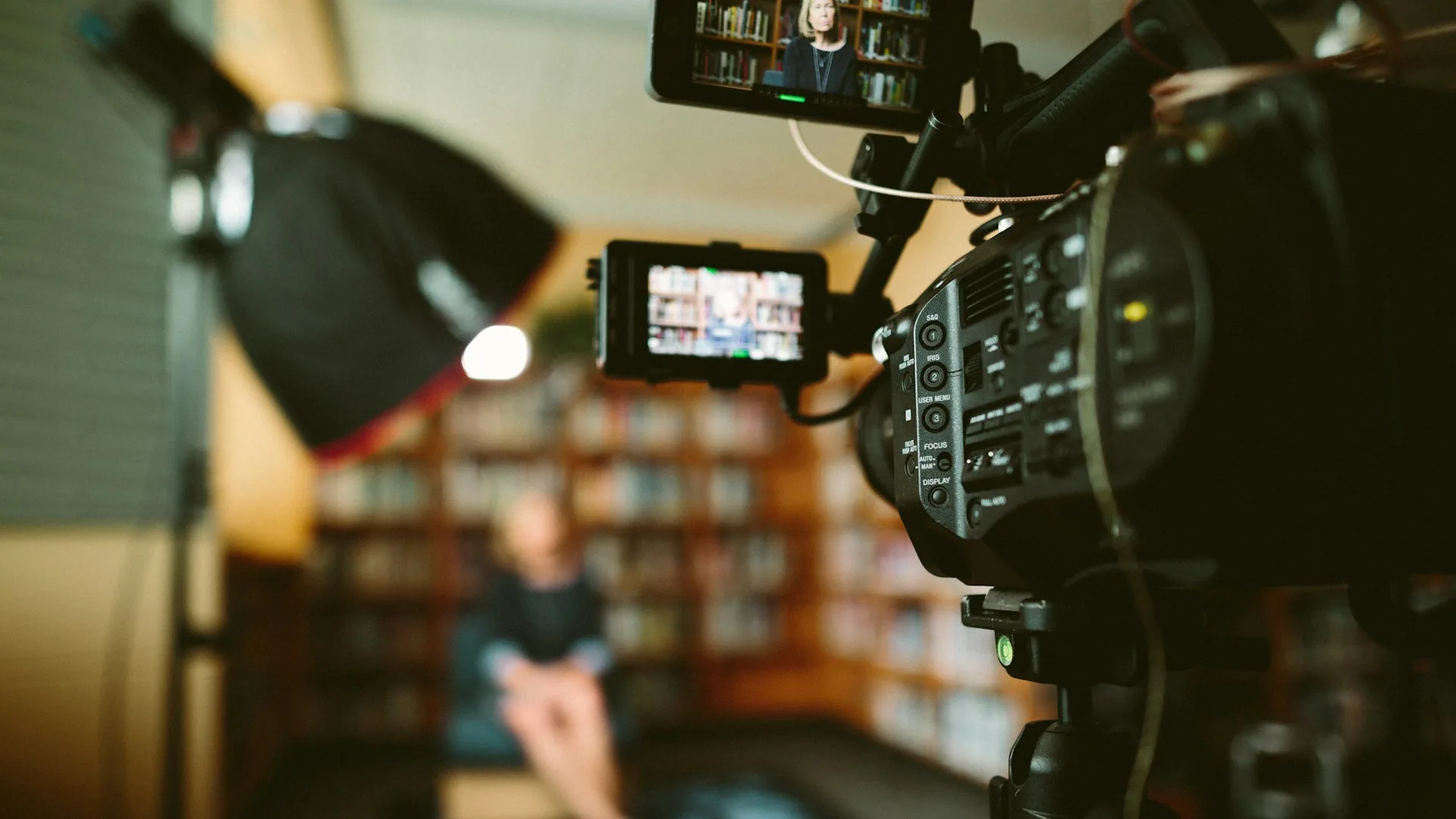
With 2 cameras and 2 lavalier microphones you cover almost everything. One records the talk from a fixed tripod. The other, a Sony A7, stays in a quiet corner for 2-minute interviews with speakers and attendees. Audio rules: a clip with good sound and a discreet shot gets used, one with echo doesn't.
After: a 3-hour studio session
A week later, we bring in 3 or 4 speakers to A0Studios, at Ronda de Atocha 16, to re-record their core ideas to camera, with controlled lighting and a short script. This is where the content for ads comes from: different openings, clear messages and a call to action. I direct the session with a sales mindset, because I work with Meta and TikTok Ads and I know what gets tested.
How to spread the pieces across the year
Don't publish everything the following week. Spread the material by quarter: the first for the summary and the testimonials, which have more pull while the event is fresh. The second and third for opinion clips and answers to objections. The fourth for announcing the next edition, with the best pieces already tested.
Edit with DaVinci Resolve or CapCut depending on the format and keep everything in one folder per month. A simple calendar, with 2 or 3 pieces a week, is enough to fill twelve months.
Common mistakes
- Recording the event without a piece-by-piece plan: hours of tape pile up and nothing publishable comes out.
- Relying on room sound: without lavalier microphones, half the talks can't be used.
- Publishing everything in one week: the content burns out and the rest of the year is empty.
- Not getting image permissions from speakers and attendees before the event.
- Thinking only about organic: the best answers also work as ads if they're re-recorded with a strong opening.
Frequently asked questions
How many pieces come out of a one-day event?
With good planning, between 30 and 50 short pieces, adding up the event material and a follow-up 3-hour studio session. Without planning, you normally get 3 or 4.
Is a studio session after the event necessary?
It isn't mandatory, but it improves the result a lot. The event gives authenticity, but the studio gives light, sound and control for the pieces that go into ads or onto the website.
How many cameras do I need at the event?
Two are usually enough: a fixed one for the talk and a mobile one for interviews. What matters is the audio, with lavalier microphones on the speakers and a backup one in the room.
When should I bring the studio in?
Before the event program is finalized. That way we decide which speakers to re-record, which questions to ask them and how to fit the session into the following weeks.
If you have an event on the calendar and want it to last you all year, write to us in /#contacto, tell us the dates and format and we'll propose pieces, coverage and a studio session in Madrid before you book anything.
If you want to record premium content in Madrid, let's talk
From a quick Reels session to a full production day with editing and delivery, we can scope it to fit.